Famous Playwrights: 50 of the Greatest Playwrights of All Time
From Sophocles and Shakespeare to August Wilson and Annie Baker: 50 famous playwrights, the plays to read first and why actors love them.
On this page 10 sections
- How we chose these famous playwrights
- Famous playwrights at a glance
- Ancient Greek playwrights
- Renaissance and early modern playwrights
- The founders of modern drama
- Famous American playwrights
- Famous British and European playwrights
- Playwrights from around the world
- Contemporary playwrights to know
- Famous playwrights FAQs
Famous playwrights are the writers every actor ends up living with: their words are what we audition with, rehearse and perform. William Shakespeare is the playwright most often named the greatest of all time, and his roughly 39 plays are still the most performed in the world. Sophocles, Anton Chekhov, Henrik Ibsen and Eugene O’Neill are the names critics most often place beside him.
Below are 50 of the greatest playwrights of all time, grouped by era from ancient Athens to today, with the plays to start with and the roles worth reading. For the plays themselves, see our ranking of the greatest plays of all time.
How we chose these famous playwrights
We picked 50 playwrights for their influence on the theater that followed, how often their plays are still produced, the strength of their roles for actors and how widely critics agree on them. The list runs from ancient Greece to today and focuses on writing for the stage. Within each era, playwrights appear in rough chronological order, not ranked.
Famous playwrights at a glance
| # | Playwright | Lived | Country | Start with |
|---|---|---|---|---|
| 1 | Aeschylus | c. 525–456 BC | Greece | The Oresteia, The Persians |
| 2 | Sophocles | c. 497–406 BC | Greece | Oedipus Rex, Antigone, Electra |
| 3 | Euripides | c. 480–406 BC | Greece | Medea, The Trojan Women, The Bacchae |
| 4 | Aristophanes | c. 446–386 BC | Greece | Lysistrata, The Frogs, The Birds |
| 5 | Christopher Marlowe | 1564–1593 | England | Doctor Faustus, Edward II |
| 6 | William Shakespeare | 1564–1616 | England | Hamlet, Macbeth, Twelfth Night, King Lear |
| 7 | Lope de Vega | 1562–1635 | Spain | Fuenteovejuna, The Dog in the Manger |
| 8 | Molière | 1622–1673 | France | Tartuffe, The Misanthrope, The School for Wives |
| 9 | Henrik Ibsen | 1828–1906 | Norway | A Doll’s House, Hedda Gabler, Ghosts |
| 10 | August Strindberg | 1849–1912 | Sweden | Miss Julie, The Father, A Dream Play |
| 11 | Anton Chekhov | 1860–1904 | Russia | The Seagull, The Cherry Orchard |
| 12 | Oscar Wilde | 1854–1900 | Ireland | The Importance of Being Earnest, An Ideal Husband |
| 13 | George Bernard Shaw | 1856–1950 | Ireland | Pygmalion, Saint Joan, Major Barbara |
| 14 | Eugene O’Neill | 1888–1953 | United States | Long Day’s Journey into Night, The Iceman Cometh, A Moon for the Misbegotten |
| 15 | Thornton Wilder | 1897–1975 | United States | Our Town, The Skin of Our Teeth |
| 16 | Clifford Odets | 1906–1963 | United States | Awake and Sing!, Golden Boy |
| 17 | Tennessee Williams | 1911–1983 | United States | A Streetcar Named Desire, The Glass Menagerie, Cat on a Hot Tin Roof |
| 18 | Arthur Miller | 1915–2005 | United States | Death of a Salesman, The Crucible, A View from the Bridge |
| 19 | Lorraine Hansberry | 1930–1965 | United States | A Raisin in the Sun, The Sign in Sidney Brustein’s Window |
| 20 | Edward Albee | 1928–2016 | United States | Who’s Afraid of Virginia Woolf?, The Zoo Story, Three Tall Women |
| 21 | Neil Simon | 1927–2018 | United States | The Odd Couple, Barefoot in the Park, Brighton Beach Memoirs |
| 22 | Sam Shepard | 1943–2017 | United States | True West, Buried Child, Fool for Love |
| 23 | David Mamet | b. 1947 | United States | Glengarry Glen Ross, American Buffalo, Oleanna |
| 24 | August Wilson | 1945–2005 | United States | Fences, The Piano Lesson, Ma Rainey’s Black Bottom |
| 25 | Tony Kushner | b. 1956 | United States | Angels in America, Caroline, or Change |
| 26 | Bertolt Brecht | 1898–1956 | Germany | Mother Courage and Her Children, The Caucasian Chalk Circle, The Threepenny Opera |
| 27 | Federico García Lorca | 1898–1936 | Spain | The House of Bernarda Alba, Blood Wedding, Yerma |
| 28 | Noël Coward | 1899–1973 | England | Private Lives, Blithe Spirit, Hay Fever |
| 29 | Samuel Beckett | 1906–1989 | Ireland | Waiting for Godot, Endgame, Happy Days |
| 30 | Eugène Ionesco | 1909–1994 | Romania and France | Rhinoceros, The Bald Soprano, The Chairs |
| 31 | John Osborne | 1929–1994 | England | Look Back in Anger, The Entertainer |
| 32 | Harold Pinter | 1930–2008 | England | The Homecoming, Betrayal, The Birthday Party |
| 33 | Peter Shaffer | 1926–2016 | England | Amadeus, Equus |
| 34 | Tom Stoppard | 1937–2025 | England | Arcadia, Rosencrantz and Guildenstern Are Dead, The Real Thing |
| 35 | Caryl Churchill | b. 1938 | England | Top Girls, Cloud Nine, A Number |
| 36 | Wole Soyinka | b. 1934 | Nigeria | Death and the King’s Horseman, The Lion and the Jewel |
| 37 | Athol Fugard | 1932–2025 | South Africa | “Master Harold”… and the Boys, Sizwe Banzi Is Dead, Blood Knot |
| 38 | Yasmina Reza | b. 1959 | France | Art, God of Carnage |
| 39 | María Irene Fornés | 1930–2018 | Cuba and United States | Fefu and Her Friends, Mud, The Conduct of Life |
| 40 | Christopher Durang | 1949–2024 | United States | Vanya and Sonia and Masha and Spike, Beyond Therapy |
| 41 | Marsha Norman | b. 1947 | United States | ‘night, Mother, Getting Out |
| 42 | David Henry Hwang | b. 1957 | United States | M. Butterfly, Yellow Face |
| 43 | Suzan-Lori Parks | b. 1963 | United States | Topdog/Underdog, Venus, Father Comes Home from the Wars |
| 44 | John Patrick Shanley | b. 1950 | United States | Doubt, Danny and the Deep Blue Sea, Outside Mullingar |
| 45 | Tracy Letts | b. 1965 | United States | August: Osage County, Killer Joe, Bug |
| 46 | Stephen Adly Guirgis | b. 1965 | United States | Between Riverside and Crazy, Jesus Hopped the ‘A’ Train |
| 47 | Lynn Nottage | b. 1964 | United States | Sweat, Ruined, Intimate Apparel |
| 48 | Sarah Ruhl | b. 1974 | United States | Eurydice, The Clean House, In the Next Room |
| 49 | Martin McDonagh | b. 1970 | England and Ireland | The Beauty Queen of Leenane, The Pillowman, The Lieutenant of Inishmore |
| 50 | Annie Baker | b. 1981 | United States | The Flick, Circle Mirror Transformation, John |
Ancient Greek playwrights
Western drama starts in Athens in the 5th century BC, where tragedies and comedies were staged at religious festivals. Four playwrights’ work survives, and every actor who has played a tragic role owes them something.
Aeschylus
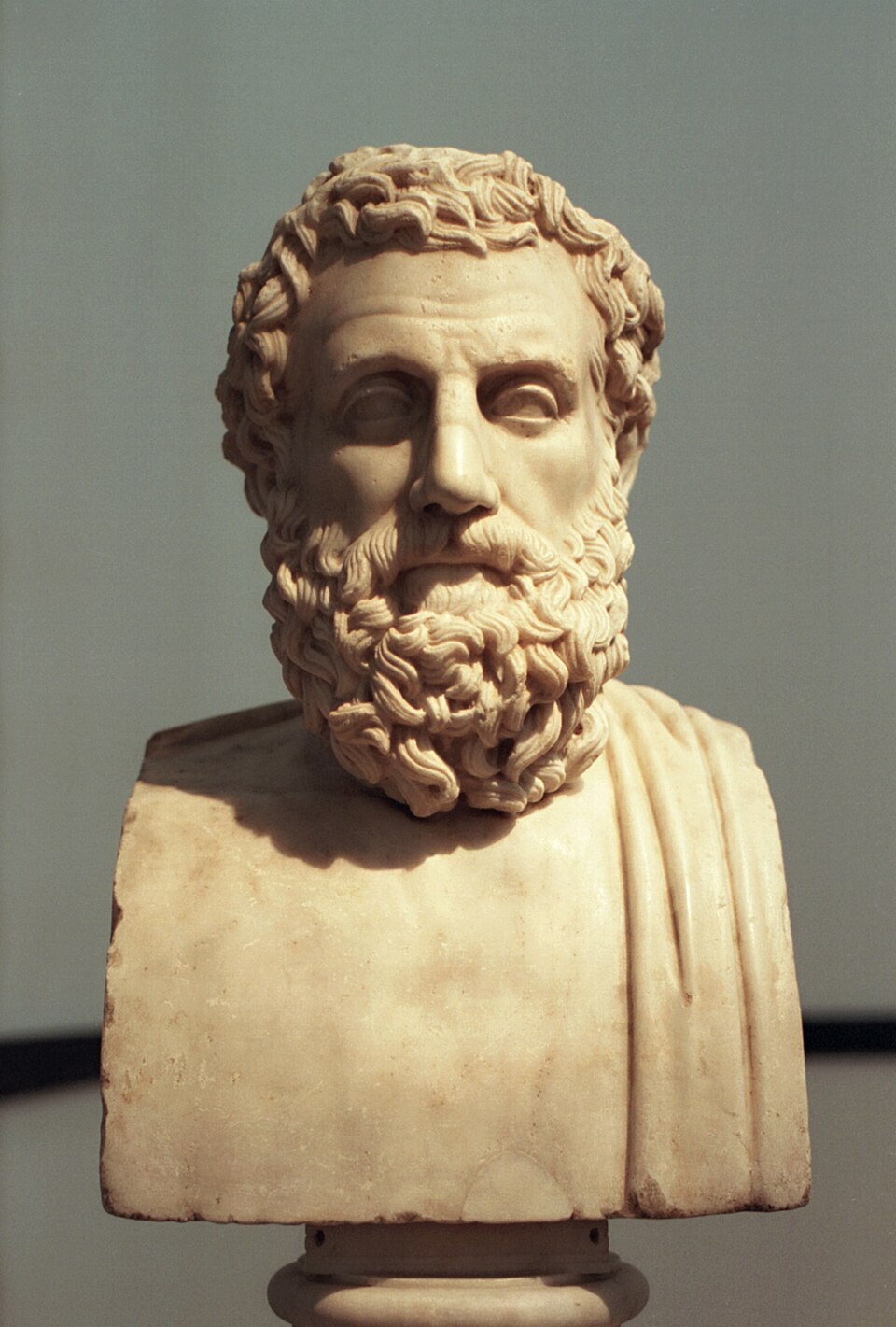
Aeschylus is the earliest playwright whose work survives complete. His The Persians, first staged in Athens in 472 BC, is the oldest surviving play, and The Oresteia (458 BC) is the only Greek trilogy we still have whole. He is credited with adding a second actor to the stage, which turned choral performance into drama between characters.
Start withThe Oresteia, The Persians. Roles to know: Clytemnestra, Cassandra, Orestes, Electra.
Sophocles
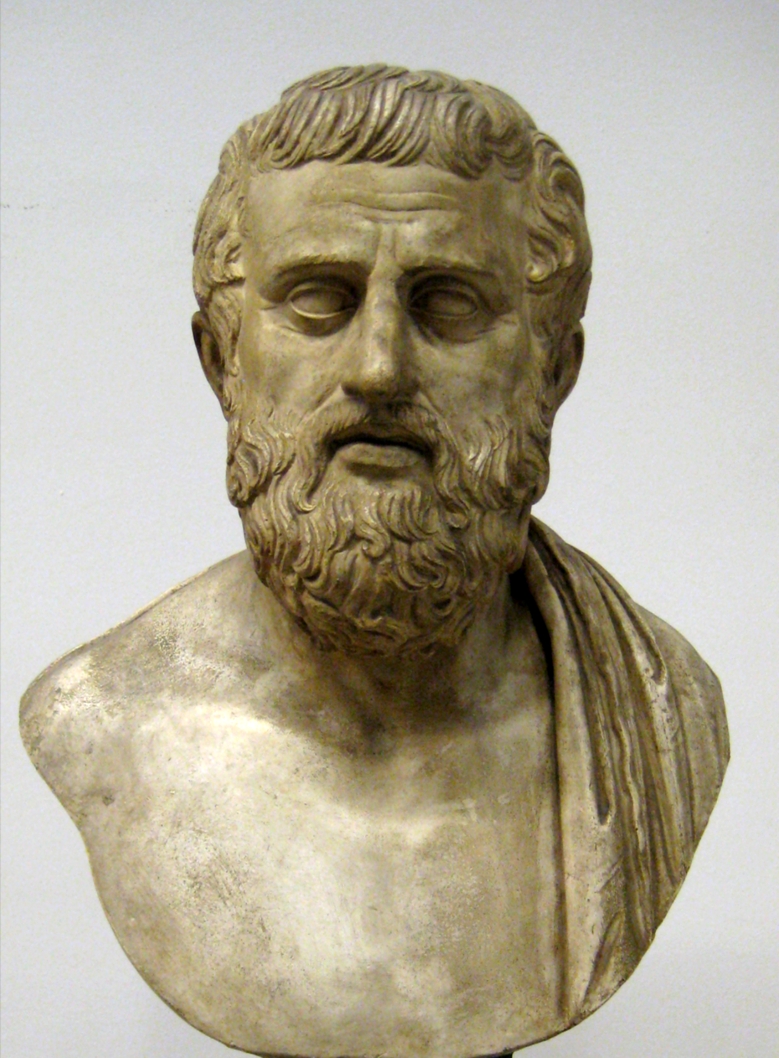
Sophocles wrote more than 120 plays, but only seven survive. Aristotle held up Oedipus Rex as the model tragedy in the Poetics, and it is still the template for dramatic structure. Sophocles added a third actor and gave his characters choices that feel painfully human.
Start withOedipus Rex, Antigone, Electra. Roles to know: Oedipus, Jocasta, Antigone, Creon, Electra.
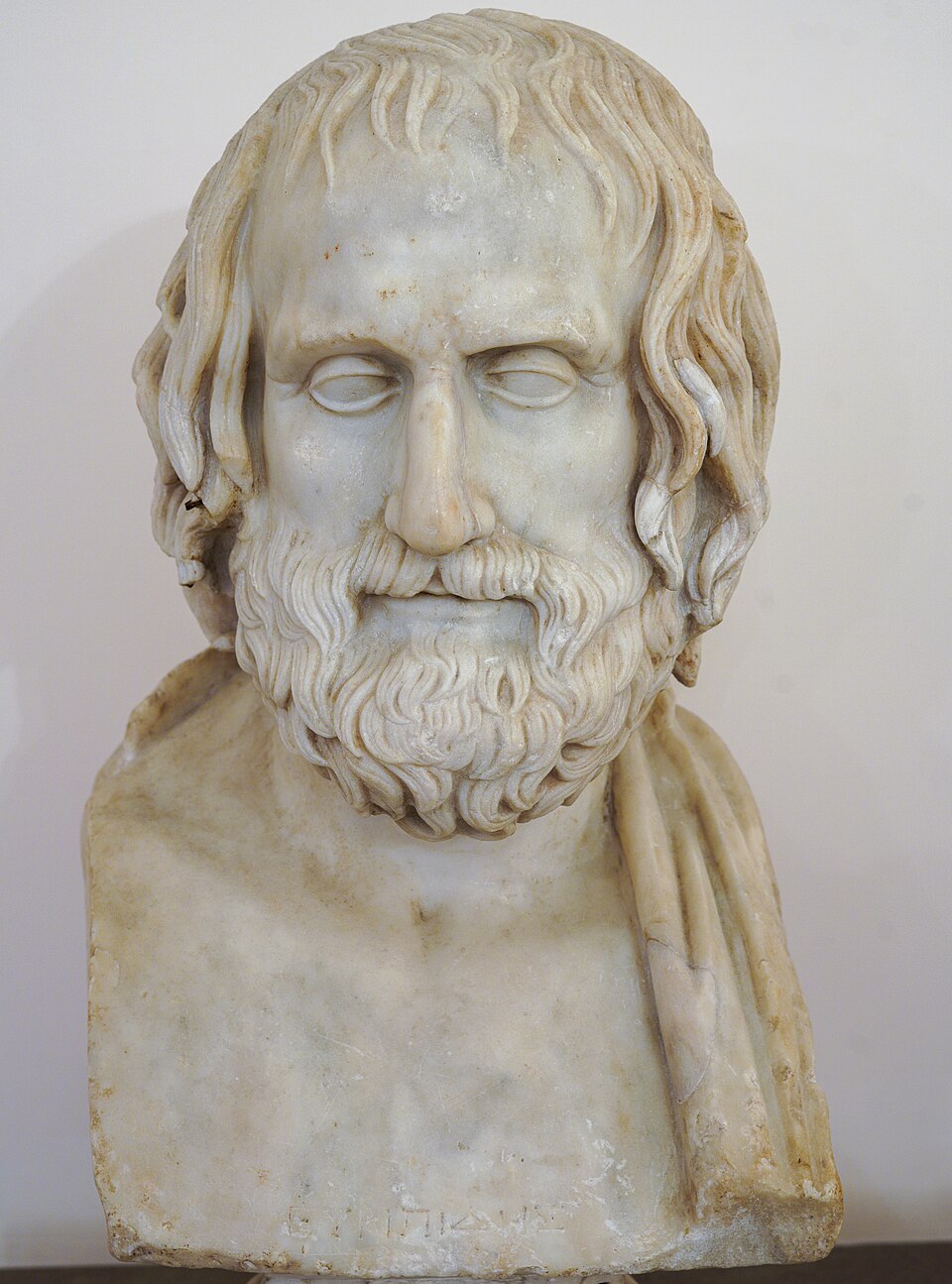
Euripides
Euripides is the most psychologically modern of the Greek tragedians. He questioned the gods, sided with the outsider and wrote the great female roles of ancient drama. More of his plays survive than of Aeschylus and Sophocles combined.
Start withMedea, The Trojan Women, The Bacchae. Roles to know: Medea, Hecuba, Andromache, Pentheus, Dionysus. More on Euripides plays, Euripides monologues.
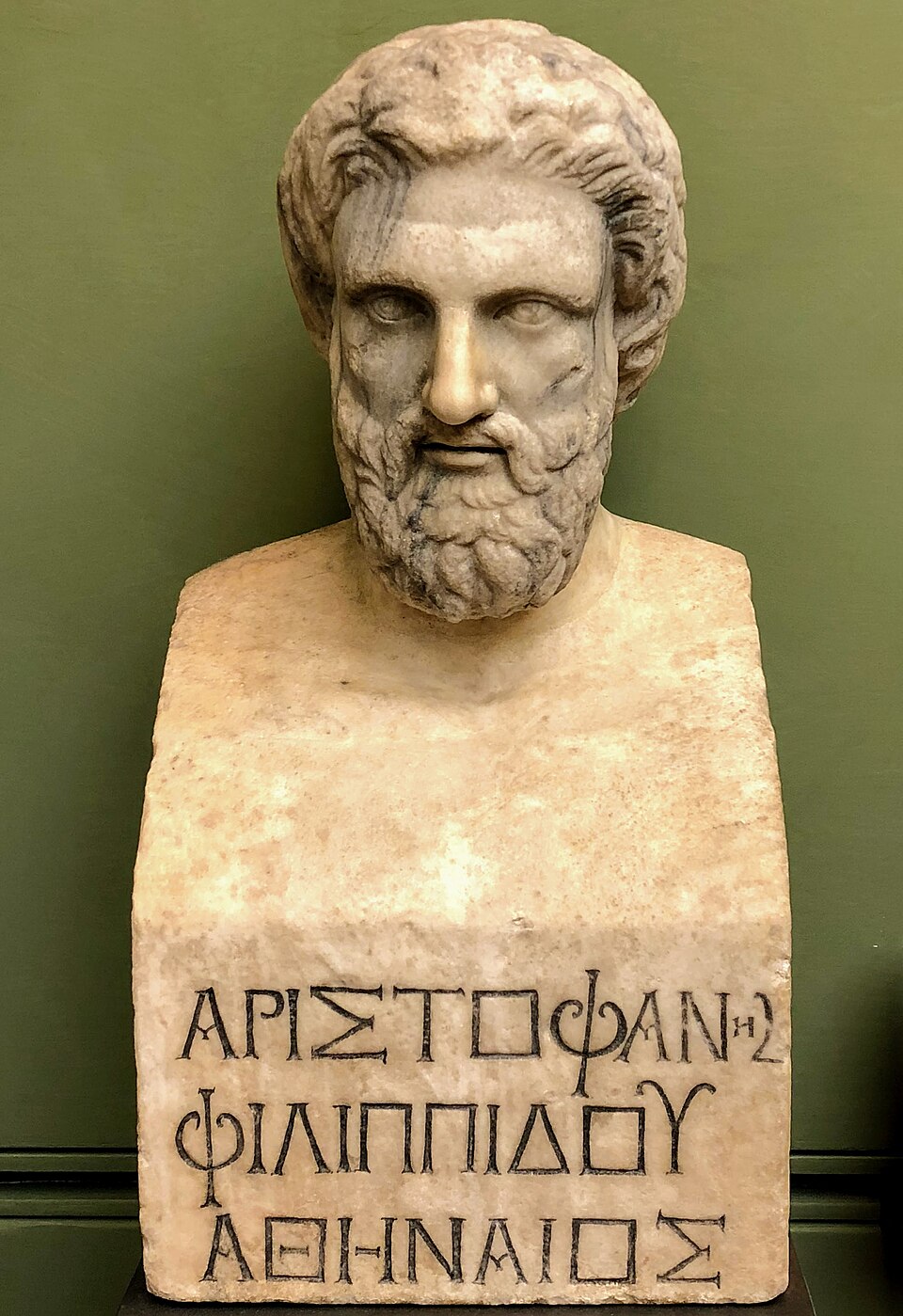
Aristophanes
Aristophanes is the father of comedy. His plays mocked politicians, philosophers and generals by name, mixing bawdy slapstick with sharp satire. Lysistrata (411 BC), in which the women of Greece go on strike to end a war, is still produced everywhere.
Start withLysistrata, The Frogs, The Birds. Roles to know: Lysistrata, Dionysus, Xanthias.
Renaissance and early modern playwrights
Between the 1580s and the 1670s, England, Spain and France each produced a golden age of theater. These are the playwrights from that period actors still meet in drama school and in audition rooms.
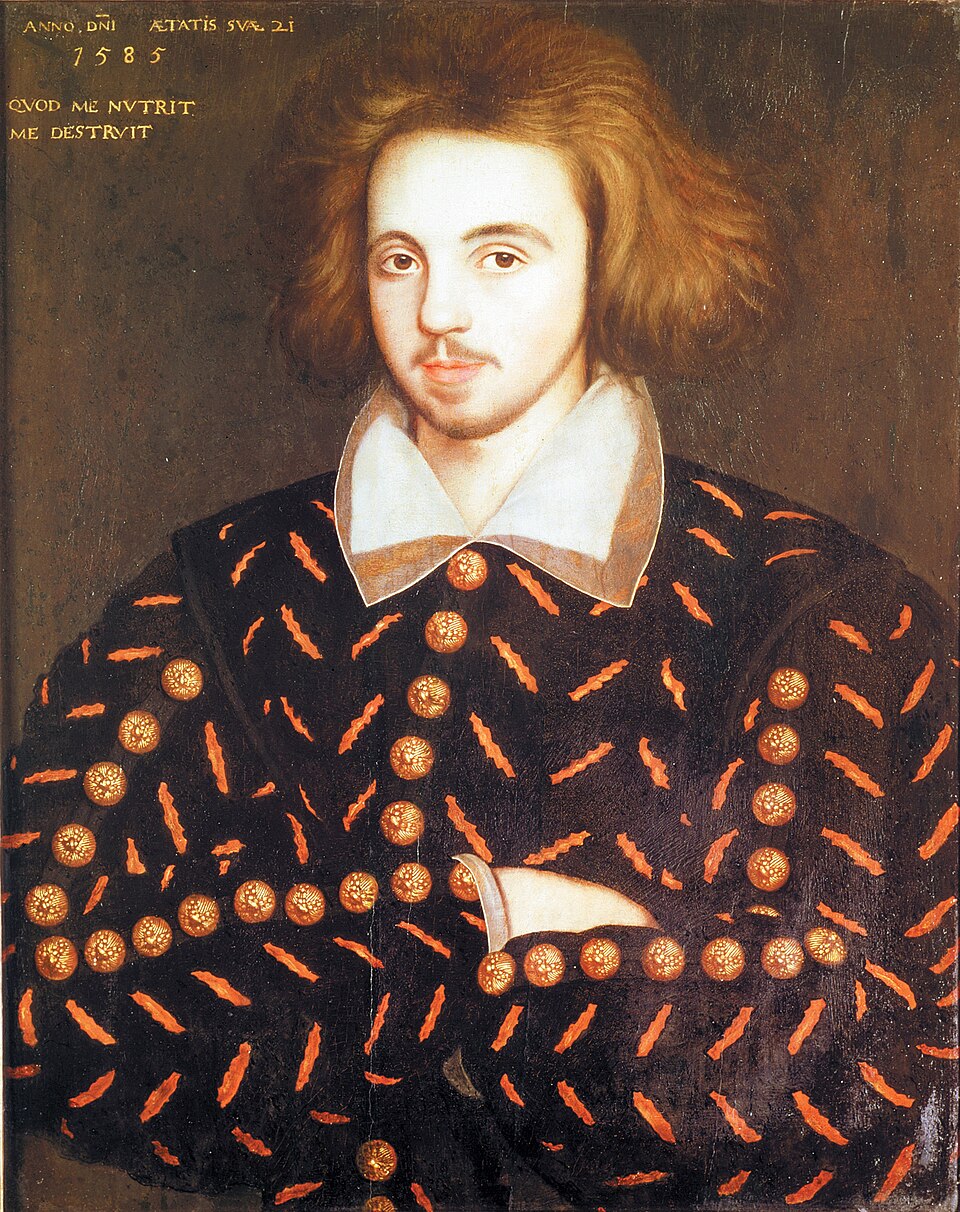
Christopher Marlowe
Marlowe made blank verse the music of the English stage before Shakespeare had written a play. Ben Jonson called it “Marlowe’s mighty line”. In six years he wrote Doctor Faustus, Tamburlaine and Edward II, then was killed in a fight at 29.
Start withDoctor Faustus, Edward II. Roles to know: Faustus, Mephistopheles, Edward, Gaveston.
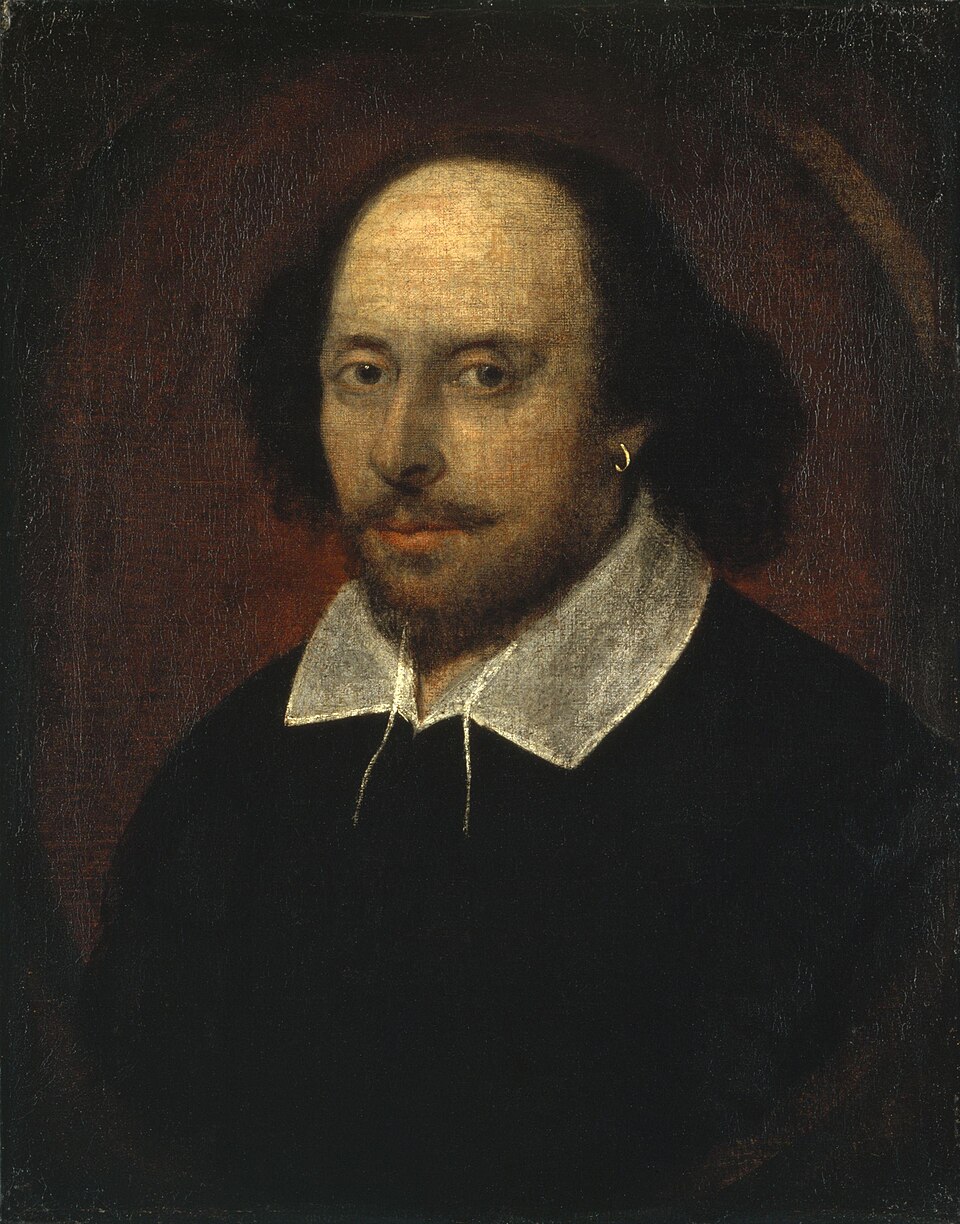
William Shakespeare
Shakespeare is the playwright most often named the greatest of all time, and his roughly 39 plays are still the most performed in the world. He moves from farce to tragedy to romance with the same command, and his soliloquies remain the ultimate test of an actor’s breath, thought and verse.
Start withHamlet, Macbeth, Twelfth Night, King Lear. Roles to know: Hamlet, Lady Macbeth, Viola, Rosalind, Lear, Iago. More on William Shakespeare, Shakespeare monologues, monologues from Hamlet.
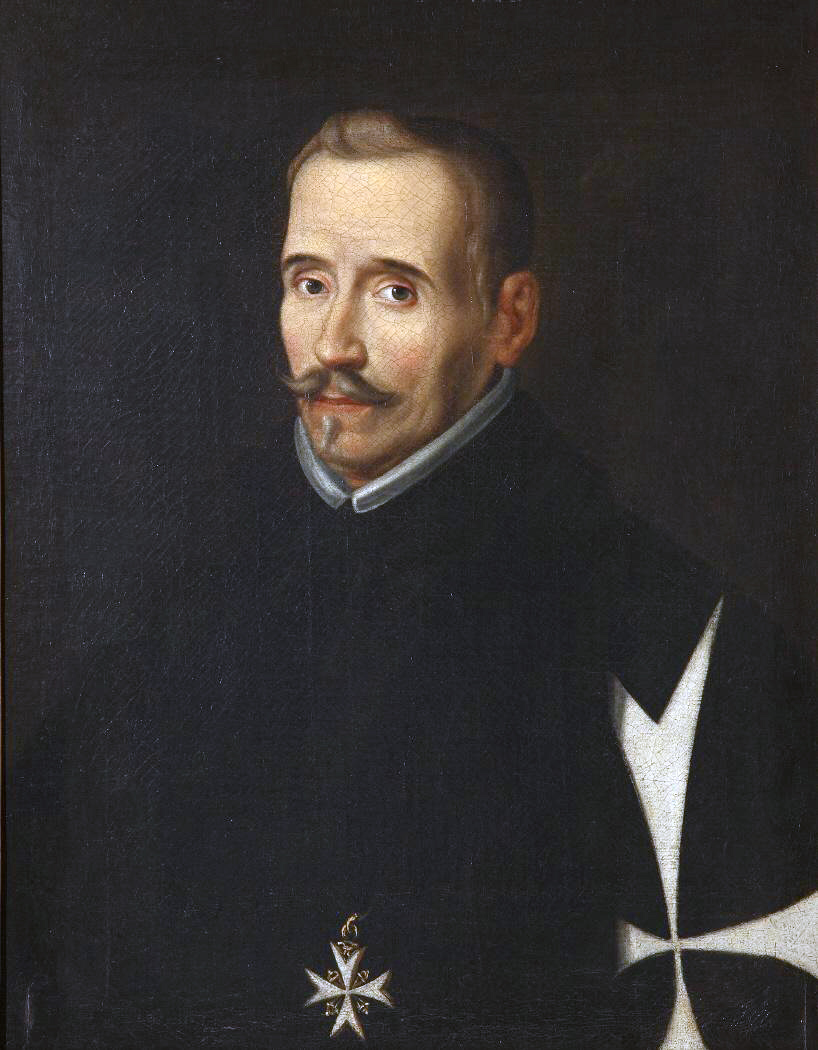
Lope de Vega
Lope de Vega was the engine of Spain’s Golden Age. He is said to have written more than 1,500 plays, several hundred of which survive, and he set out the rules of Spanish comedy in verse. Fuenteovejuna, about a village that rises against a tyrant, still plays as a political thriller.
Start withFuenteovejuna, The Dog in the Manger. Roles to know: Laurencia, Diana, Teodoro.
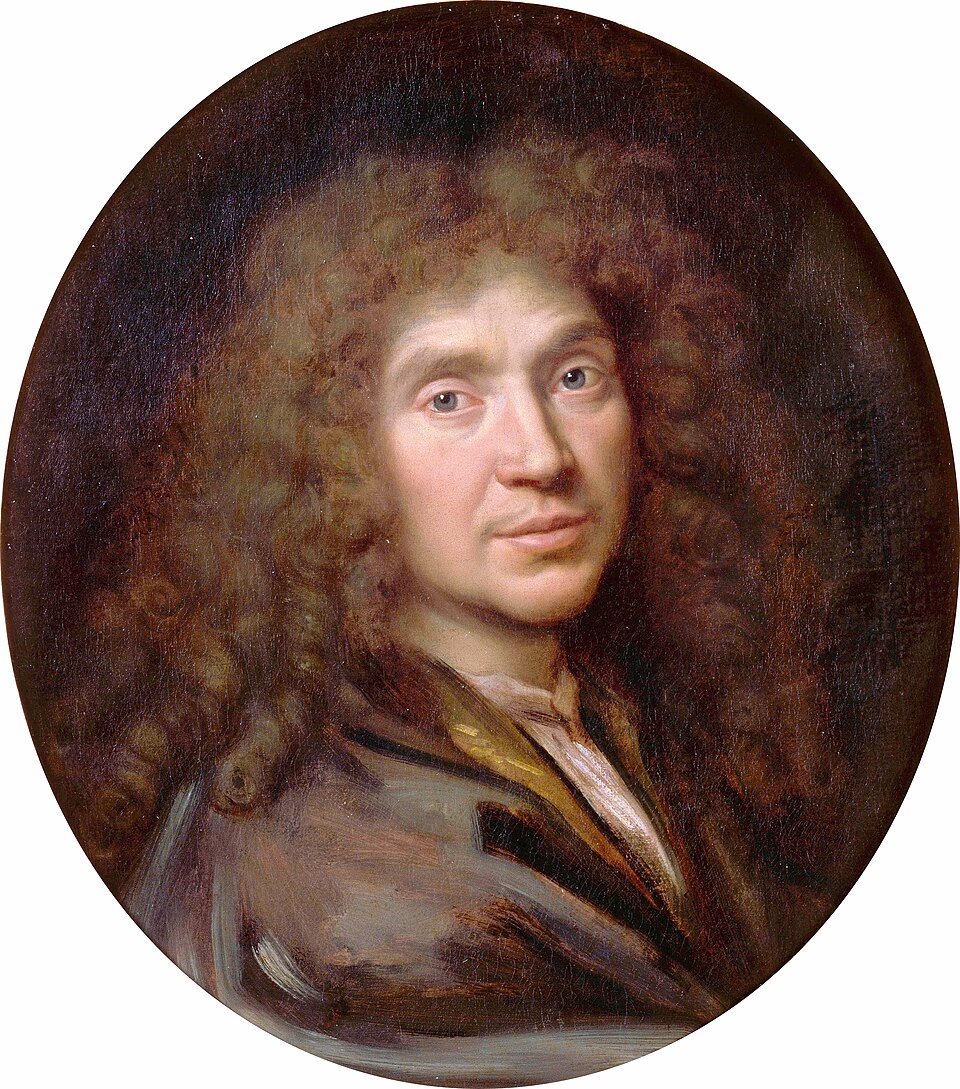
Molière
Molière is the master of French comedy and still the most performed playwright at the Comédie-Française. He skewered hypocrites, snobs and quack doctors in rhyming verse, and acted in his own plays. He collapsed on stage during the fourth performance of The Imaginary Invalid and died hours later.
Start withTartuffe, The Misanthrope, The School for Wives. Roles to know: Tartuffe, Alceste, Célimène, Orgon, Elmire. More on Molière’s greatest plays.
The founders of modern drama
In the late 19th century, a handful of writers swapped kings and gods for drawing rooms and ordinary people. Realism, and the way most actors are trained today, starts here.
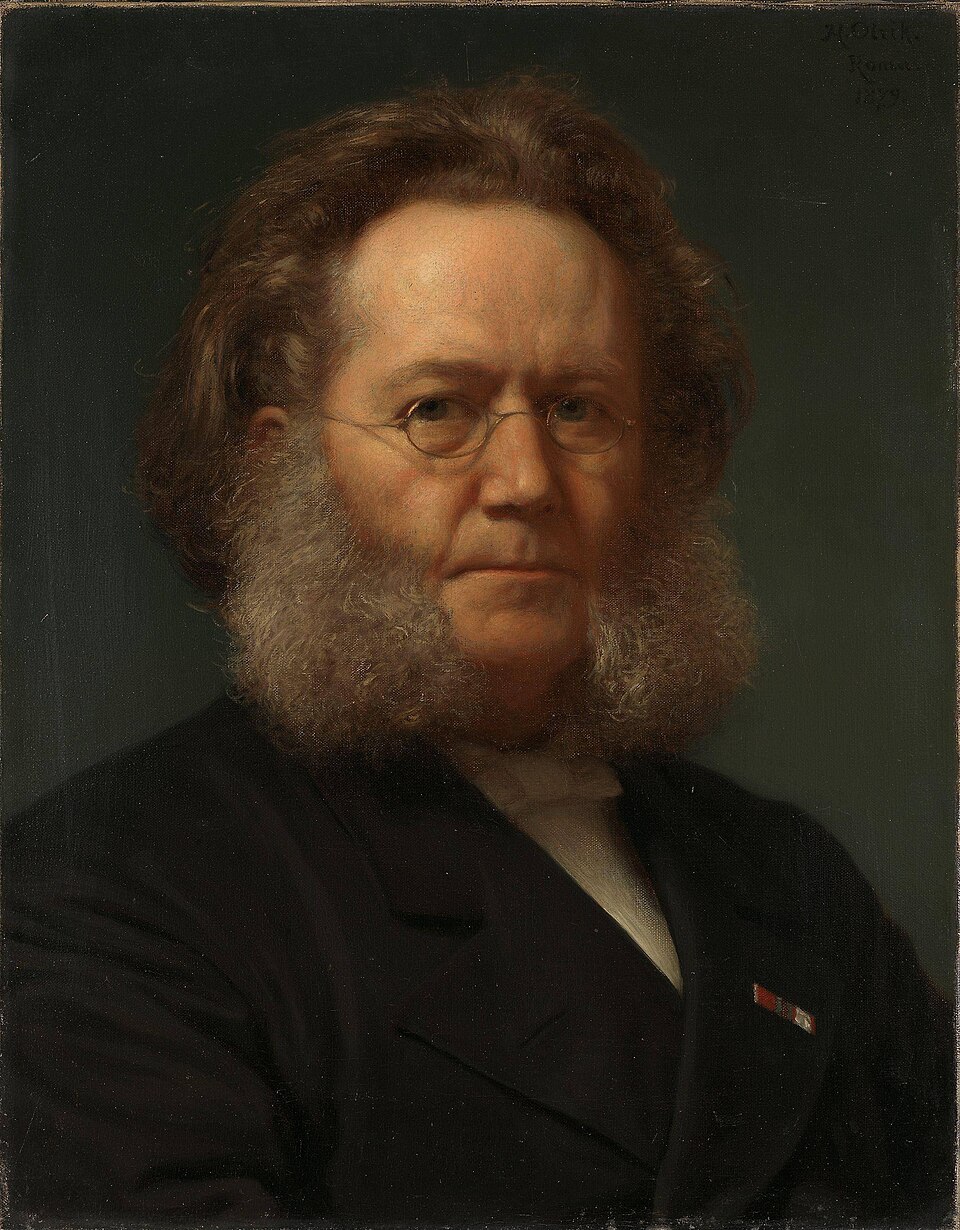
Henrik Ibsen
Ibsen is called the father of modern drama. A Doll’s House (1879) ends with Nora walking out on her husband and children, one of the most famous exits in theater, and Hedda Gabler gave actresses a role often called the female Hamlet. His realism changed what plays could be about.
Start withA Doll’s House, Hedda Gabler, Ghosts. Roles to know: Nora, Hedda, Mrs. Alving, Torvald.
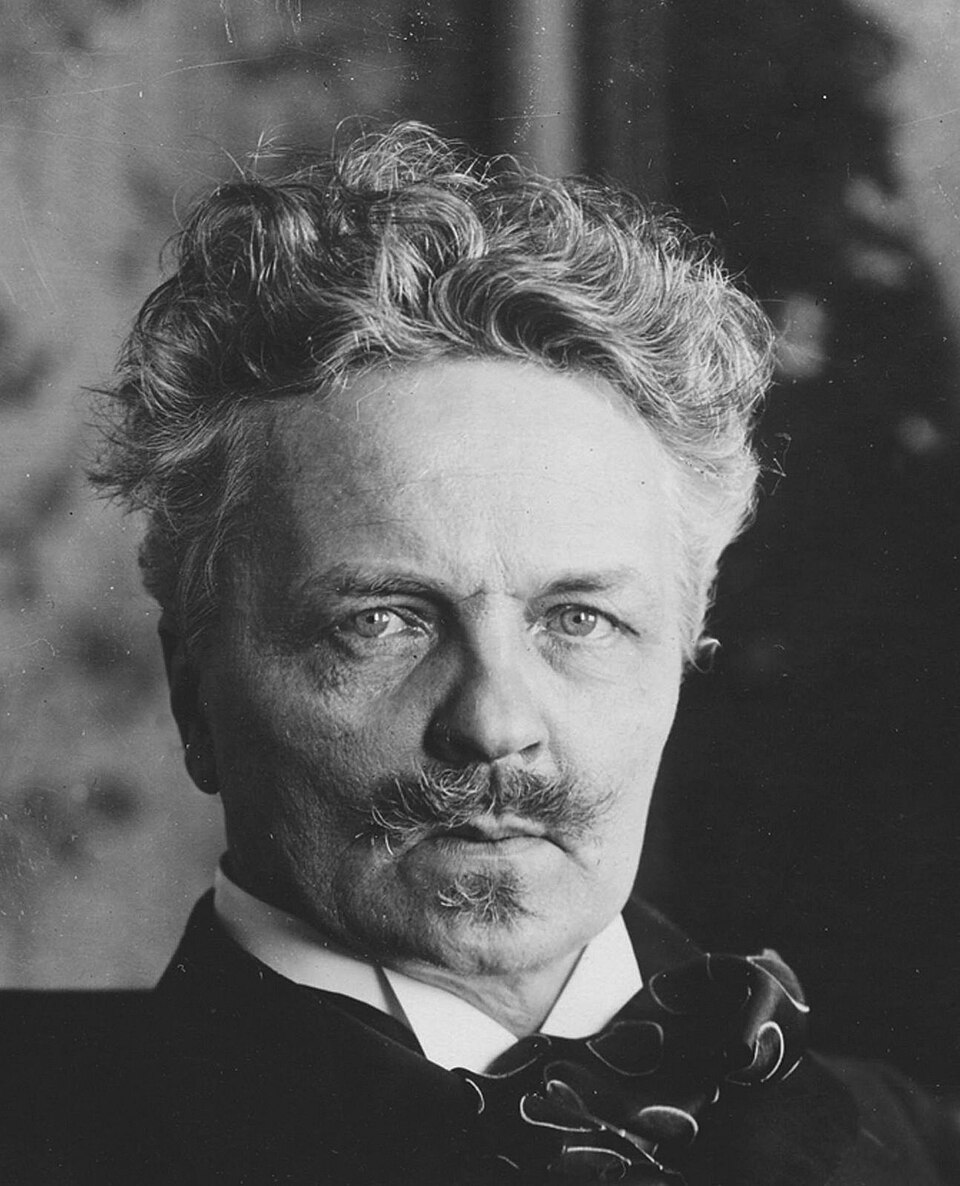
August Strindberg
Strindberg pushed realism into naturalism and then broke it open into expressionism. Miss Julie (1888), a single midsummer night between an aristocrat’s daughter and her father’s valet, is a pressure cooker of class and desire that actors still fight to play.
Start withMiss Julie, The Father, A Dream Play. Roles to know: Miss Julie, Jean, Kristin, the Captain.
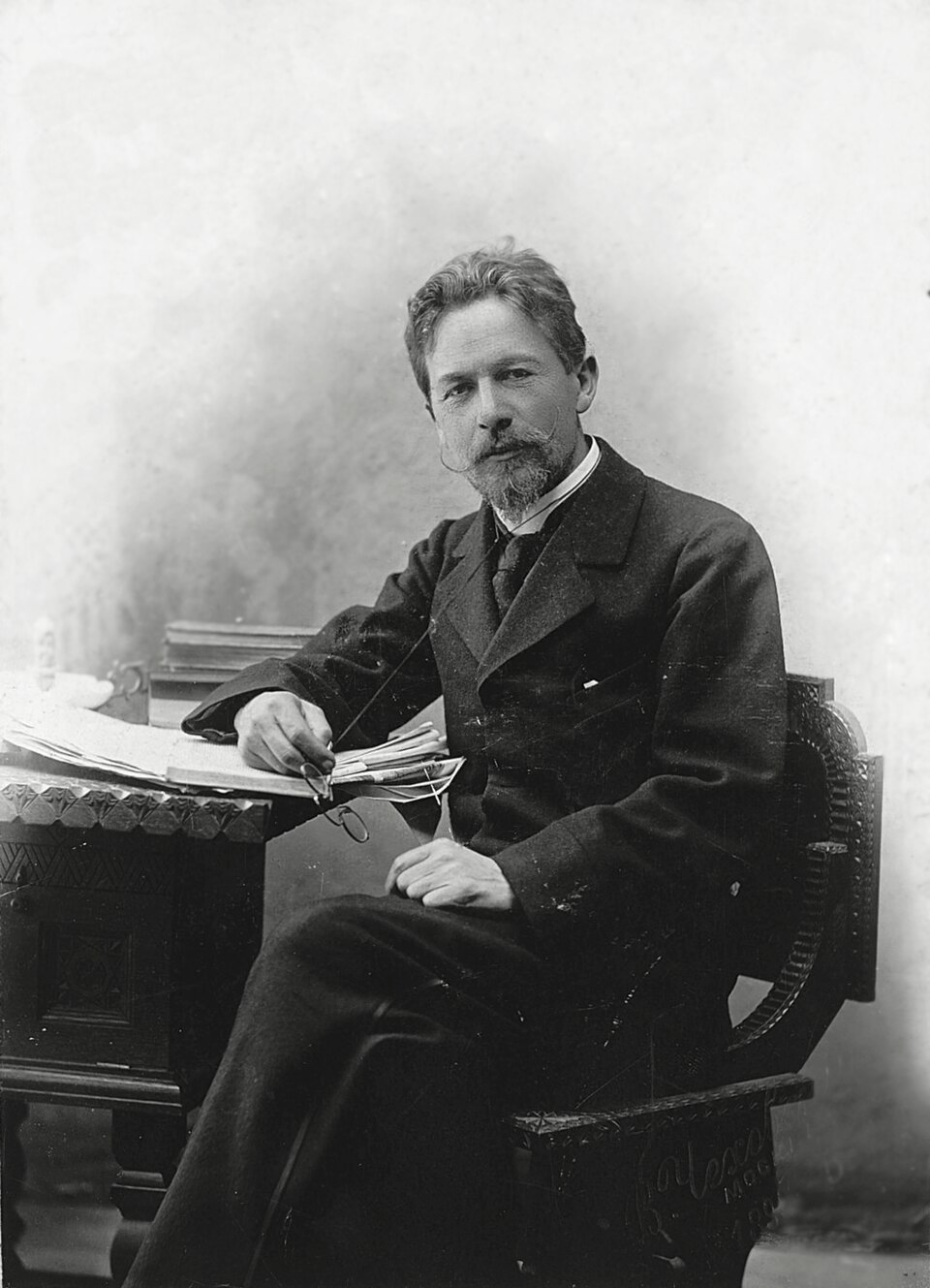
Anton Chekhov
Chekhov wrote four major plays, The Seagull, Uncle Vanya, Three Sisters and The Cherry Orchard, and they changed acting as much as writing. Stanislavski’s Moscow Art Theatre made its name staging them, and his system grew out of that work. Nothing much happens on the surface, and everything happens underneath.
Start withThe Seagull, The Cherry Orchard. Roles to know: Nina, Konstantin, Masha, Vanya, Ranevskaya, Lopakhin.
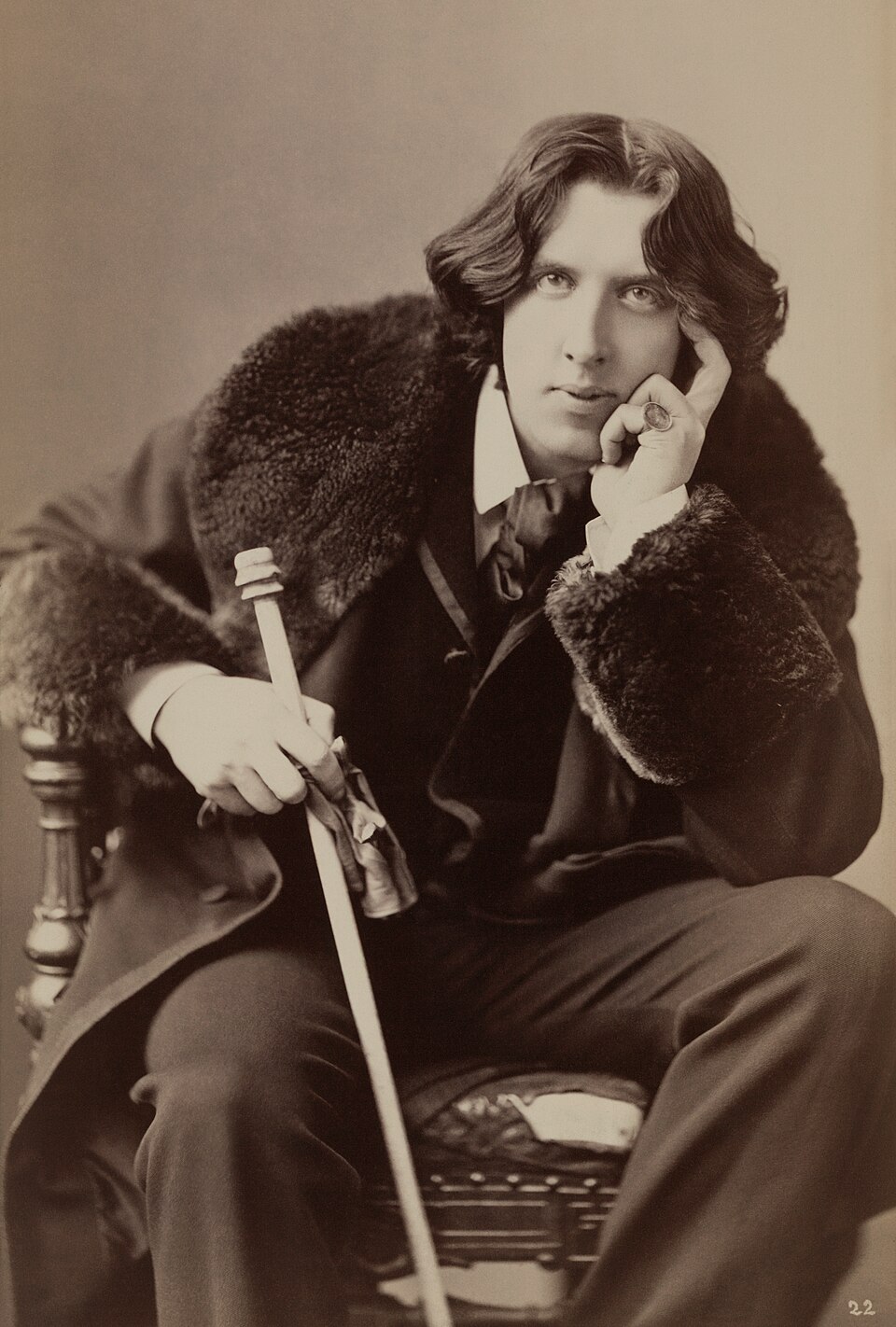
Oscar Wilde
Wilde wrote the wittiest comedy in English. The Importance of Being Earnest (1895) is almost perfectly built, and nearly every line is quotable. Behind the epigrams, his society comedies are sharp about money, marriage and hypocrisy.
Start withThe Importance of Being Earnest, An Ideal Husband. Roles to know: Lady Bracknell, Algernon, Jack, Gwendolen, Cecily. More on Oscar Wilde monologues, Oscar Wilde’s plays.
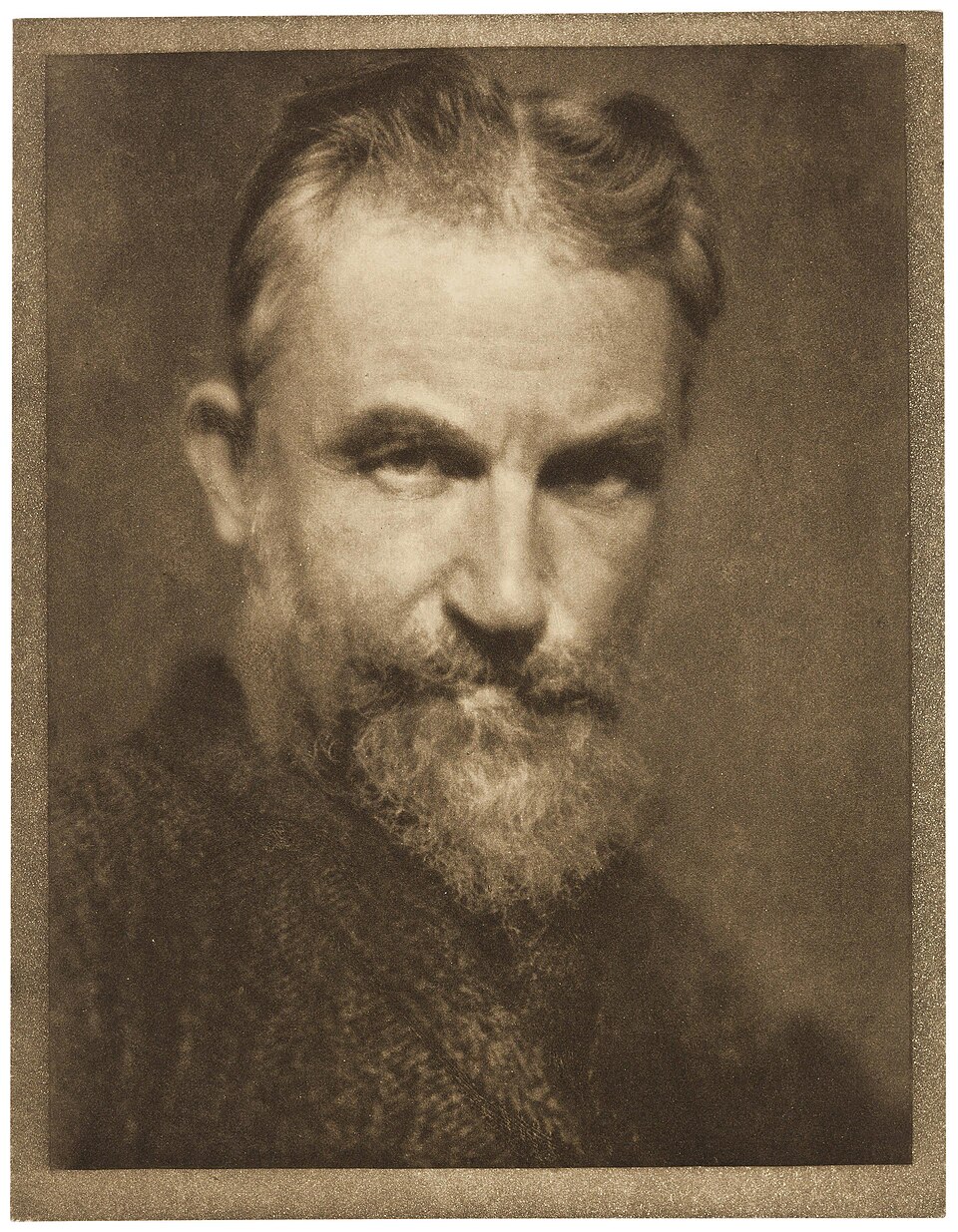
George Bernard Shaw
Shaw wrote more than 60 plays of argument dressed as comedy, on class, money, war and women’s independence. He won the Nobel Prize in Literature in 1925 and later an Academy Award for the screenplay of Pygmalion, the play that became My Fair Lady.
Start withPygmalion, Saint Joan, Major Barbara. Roles to know: Eliza Doolittle, Henry Higgins, Joan, Barbara Undershaft.
Famous American playwrights
American drama came of age in the 20th century, and Broadway and off-Broadway turned out the plays that dominate scene study classes today. These are the American playwrights every actor should know.
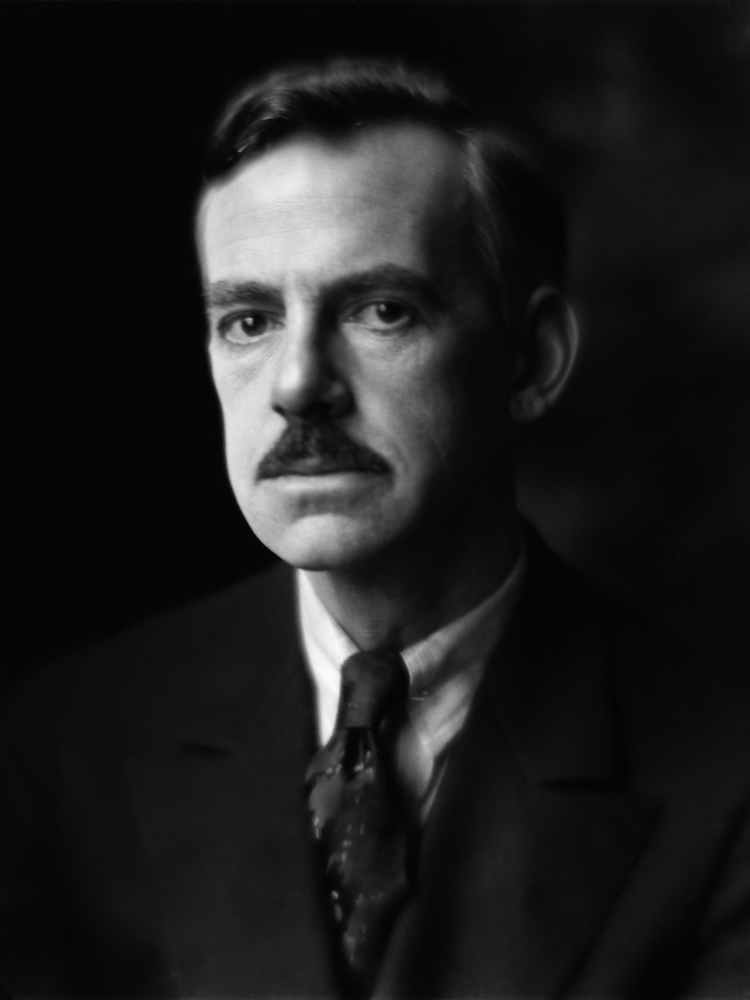
Eugene O’Neill
O’Neill is the father of serious American drama. He won four Pulitzer Prizes and, in 1936, became the only American playwright to win the Nobel Prize in Literature. Long Day’s Journey into Night, his portrait of his own family, premiered in 1956, three years after his death.
Start withLong Day’s Journey into Night, The Iceman Cometh, A Moon for the Misbegotten. Roles to know: Mary Tyrone, Jamie Tyrone, Hickey, Josie Hogan. More on Eugene O’Neill plays, Eugene O’Neill monologues.
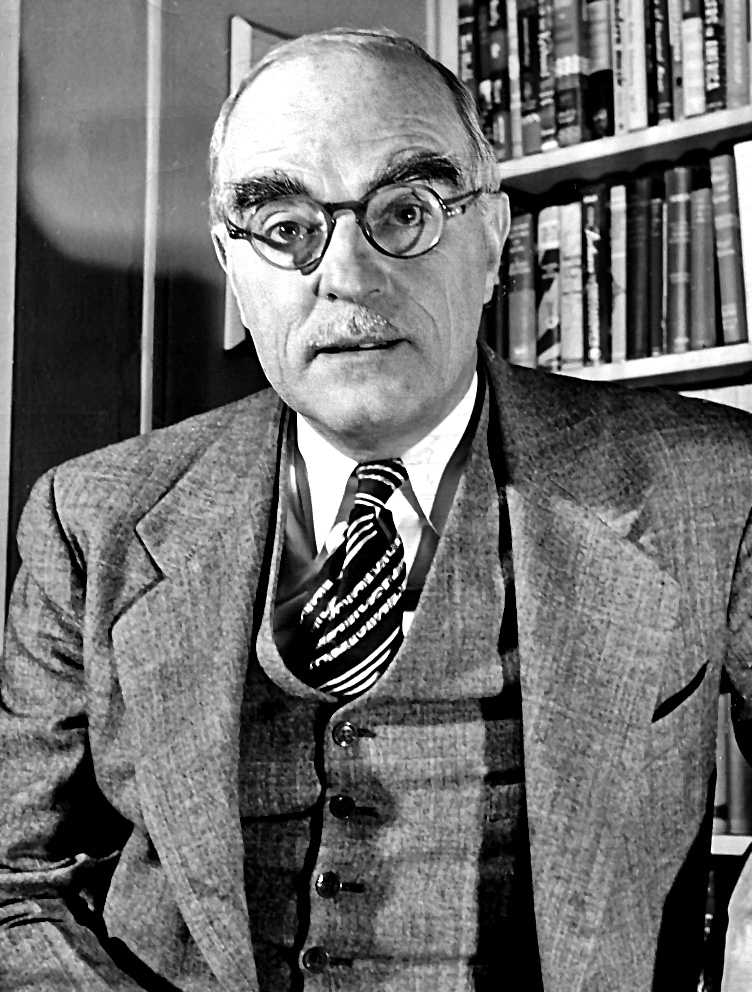
Thornton Wilder
Wilder stripped the stage bare and found the universe in a small town. Our Town (1938) and The Skin of Our Teeth (1942) both won the Pulitzer Prize for Drama, and he remains the only writer to win Pulitzers for both fiction and drama.
Start withOur Town, The Skin of Our Teeth. Roles to know: The Stage Manager, Emily Webb, George Gibbs, Sabina.
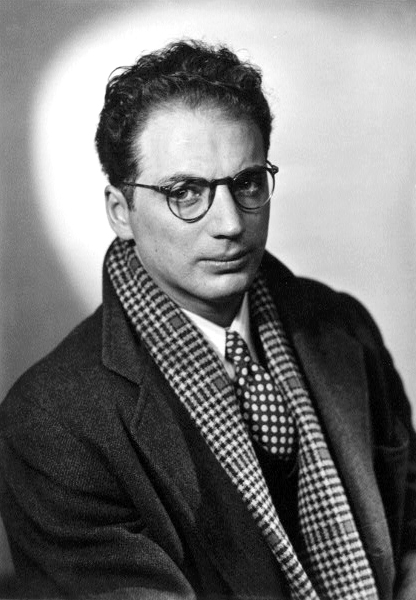
Clifford Odets
Odets was the voice of the Group Theatre and of Depression-era New York. Waiting for Lefty (1935) brought audiences to their feet shouting “Strike!”, and his street-poet dialogue in Awake and Sing! and Golden Boy is a gift to actors.
Start withAwake and Sing!, Golden Boy. Roles to know: Bessie Berger, Ralph Berger, Joe Bonaparte, Lorna Moon.
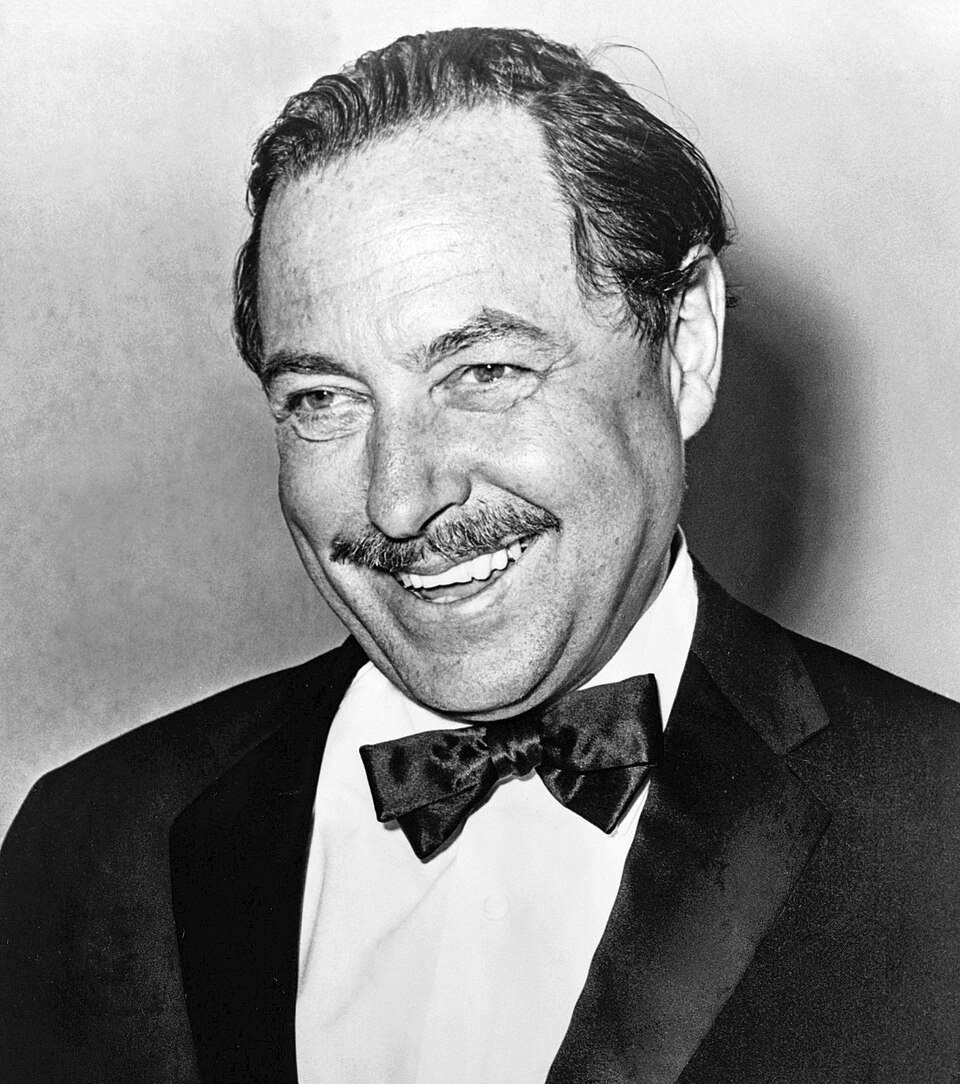
Tennessee Williams
Williams brought poetry and raw desire to the American stage. The Glass Menagerie made his name, and A Streetcar Named Desire (1948) and Cat on a Hot Tin Roof (1955) each won the Pulitzer Prize. His women are some of the greatest roles ever written.
Start withA Streetcar Named Desire, The Glass Menagerie, Cat on a Hot Tin Roof. Roles to know: Blanche DuBois, Stanley Kowalski, Amanda Wingfield, Laura, Maggie. More on Tennessee Williams.
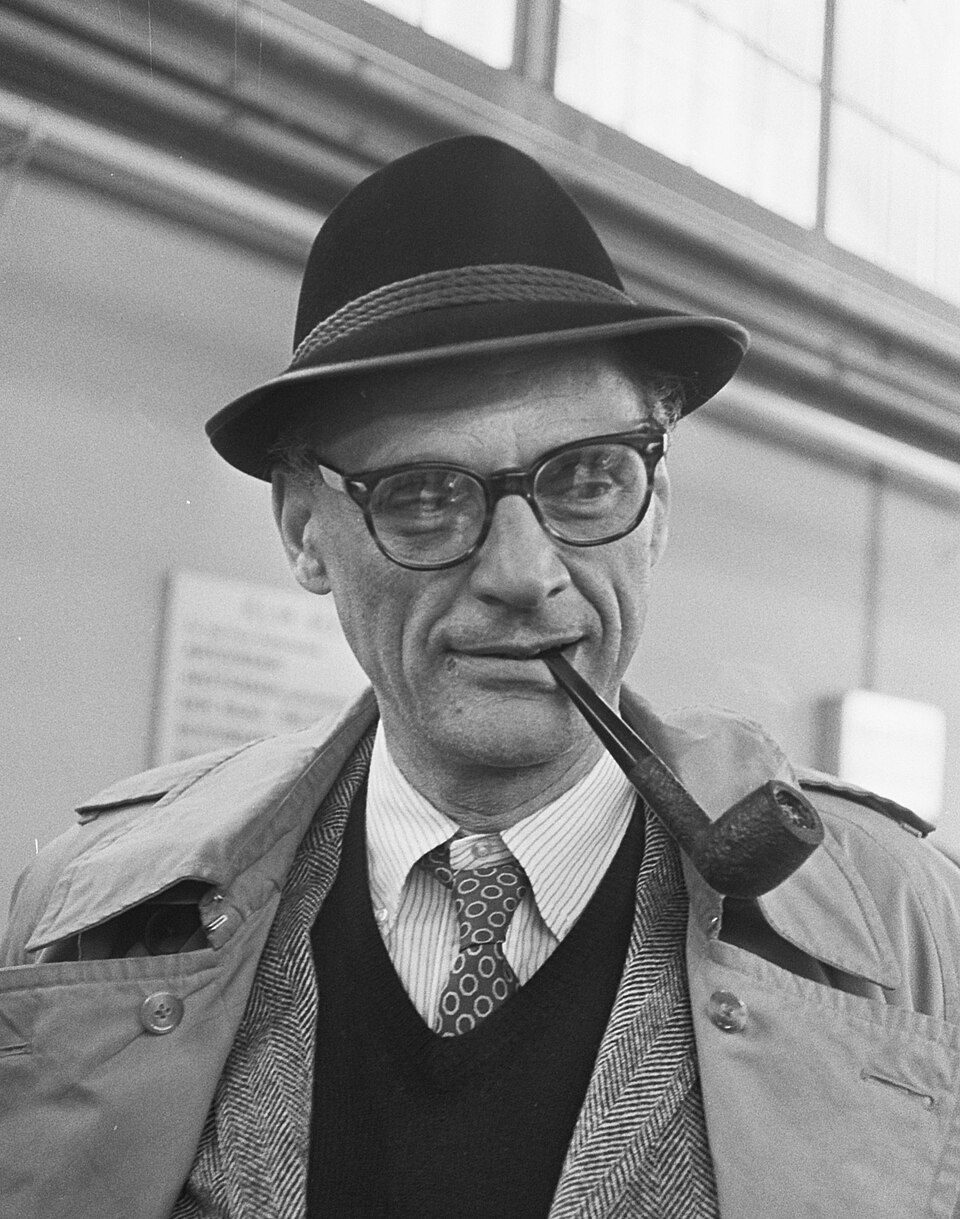
Arthur Miller
Miller made tragedy out of ordinary American lives. Death of a Salesman won the 1949 Pulitzer Prize, and The Crucible (1953) used the Salem witch trials to attack the McCarthy hearings. His plays ask what we owe each other, and they still play to packed houses.
Start withDeath of a Salesman, The Crucible, A View from the Bridge. Roles to know: Willy Loman, Linda Loman, John Proctor, Abigail Williams, Eddie Carbone. More on Arthur Miller plays, Arthur Miller monologues.
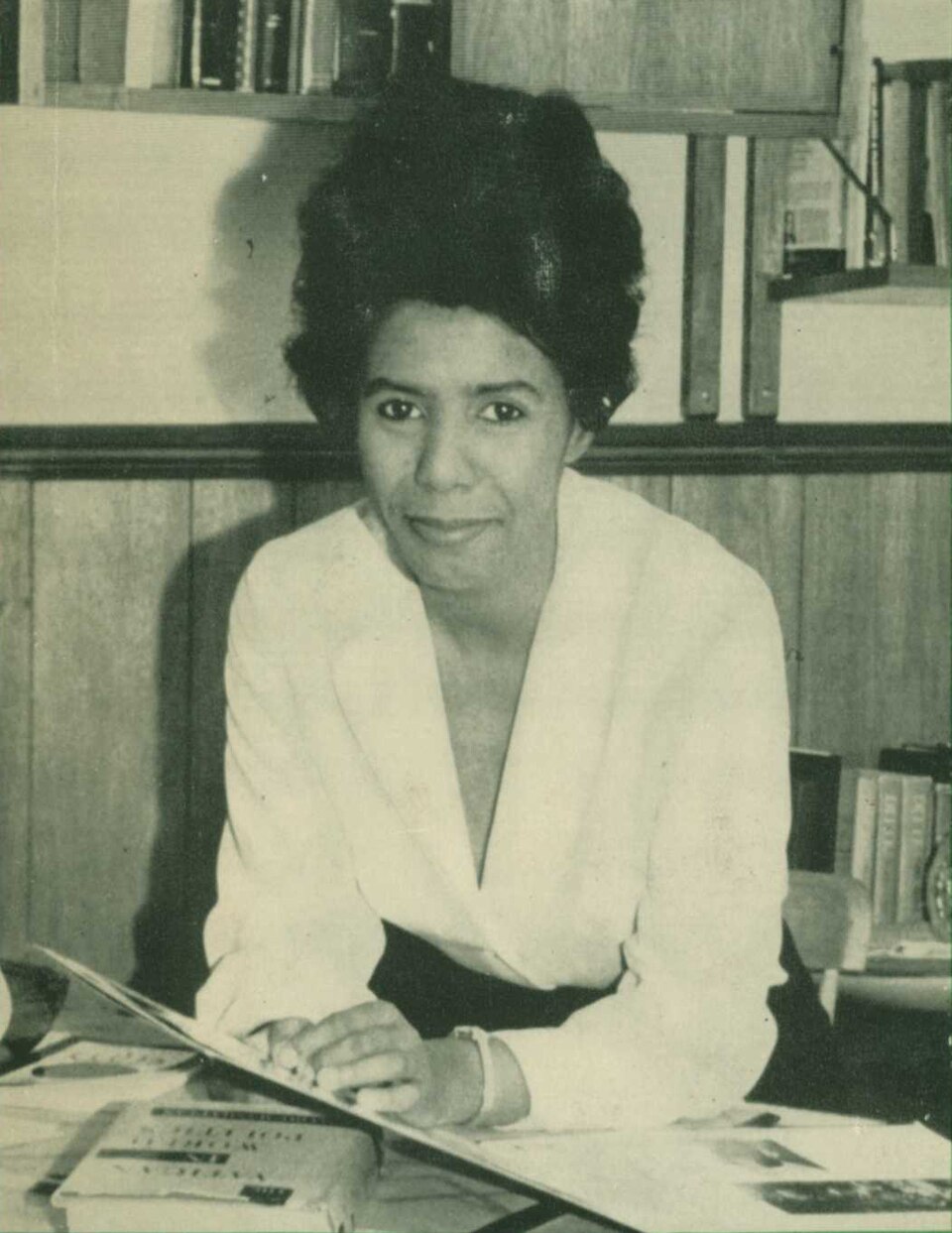
Lorraine Hansberry
Hansberry’s A Raisin in the Sun (1959) made her the first Black woman to have a play produced on Broadway, and the youngest American to win the New York Drama Critics’ Circle Award. She died at 34, but the Younger family’s fight for a home remains one of the great American plays.
Start withA Raisin in the Sun, The Sign in Sidney Brustein’s Window. Roles to know: Walter Lee Younger, Lena Younger, Beneatha, Ruth.
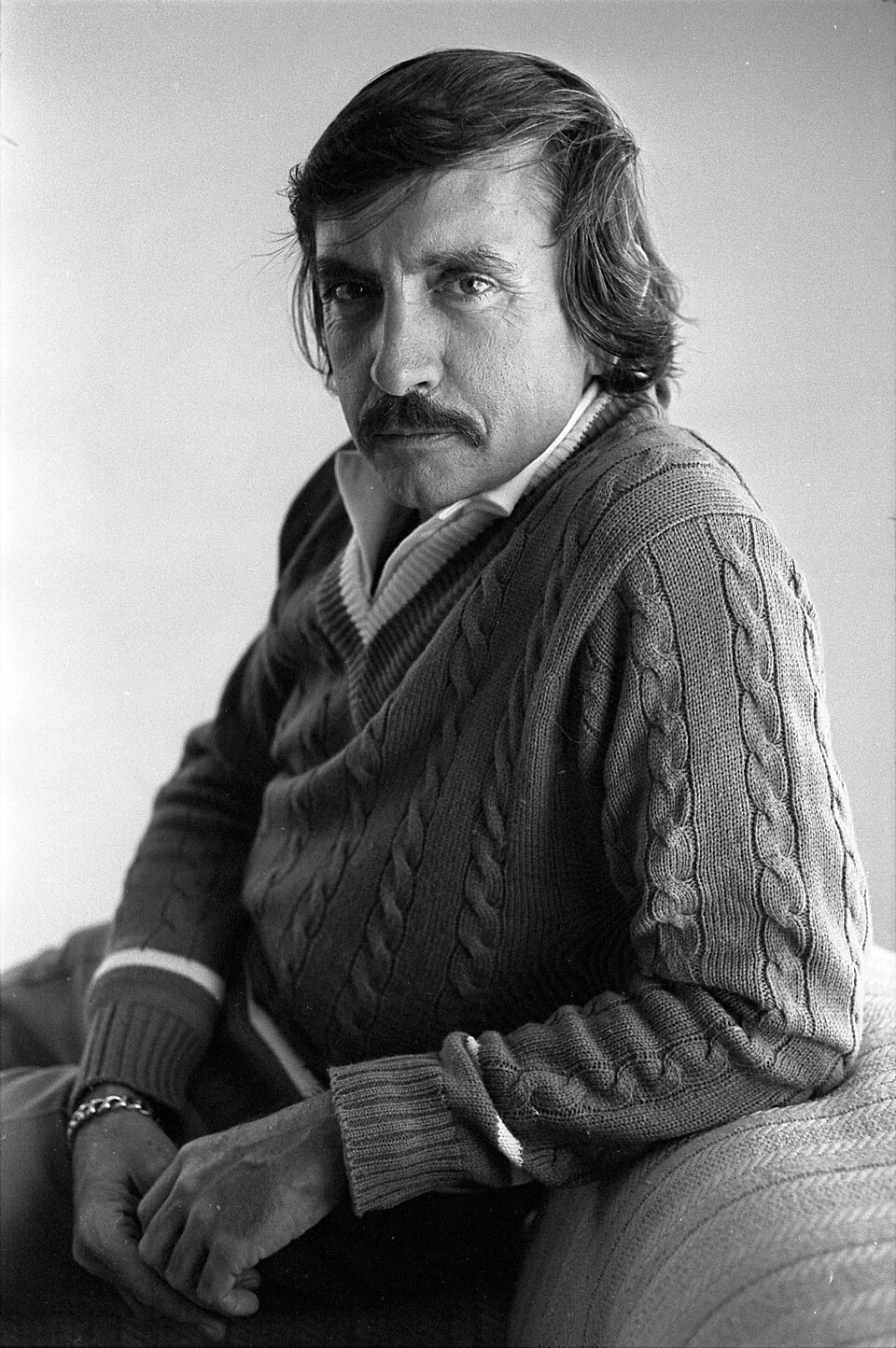
Edward Albee
Albee brought the absurd to American living rooms. Who’s Afraid of Virginia Woolf? (1962) is a night of vicious games between two married couples, and he won three Pulitzer Prizes, for A Delicate Balance, Seascape and Three Tall Women.
Start withWho’s Afraid of Virginia Woolf?, The Zoo Story, Three Tall Women. Roles to know: Martha, George, Honey, Jerry.
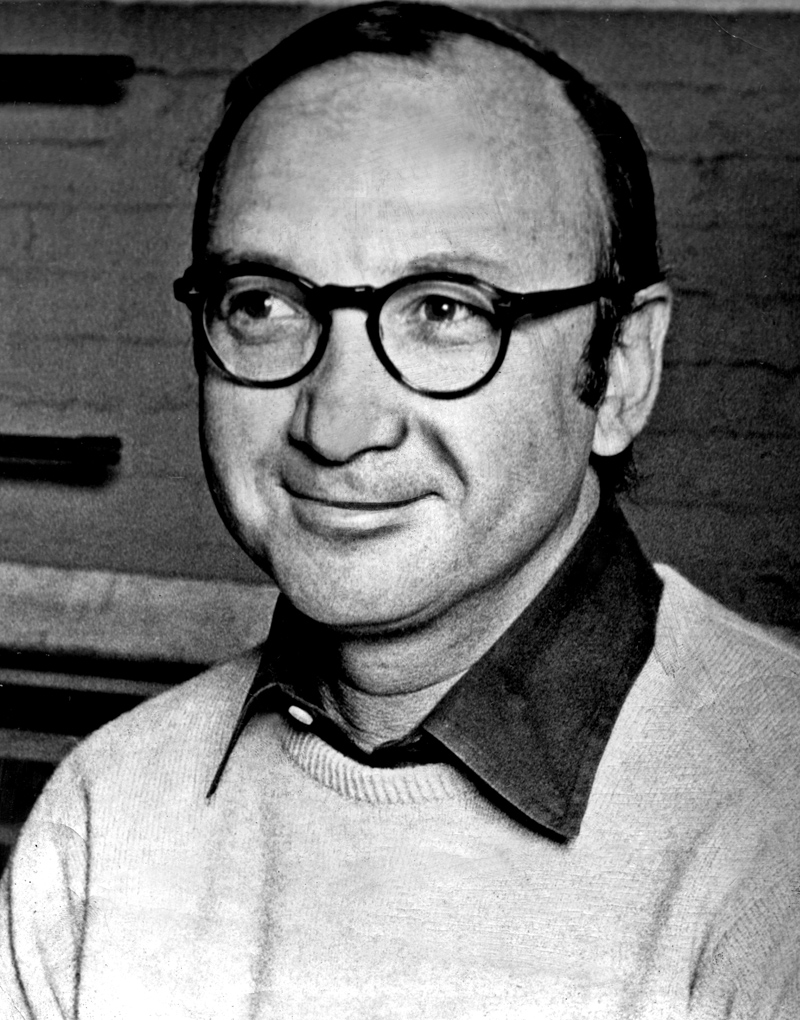
Neil Simon
Simon was Broadway’s most successful comic playwright. The Odd Couple and Barefoot in the Park set the rhythm of American comedy, his autobiographical Eugene plays went deeper, and Lost in Yonkers won the Pulitzer Prize in 1991. His timing is a masterclass for comic actors.
Start withThe Odd Couple, Barefoot in the Park, Brighton Beach Memoirs. Roles to know: Oscar Madison, Felix Ungar, Corie Bratter, Eugene Jerome.
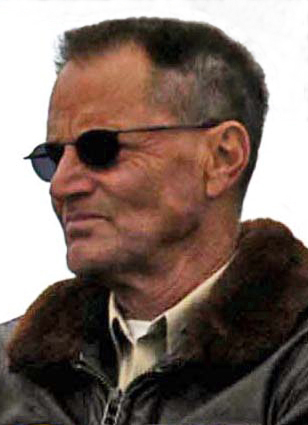
Sam Shepard
Shepard wrote the myth of the American West gone sour. Buried Child won the 1979 Pulitzer Prize, and True West and Fool for Love are scene-study staples full of brothers, lovers and violence. He was also an Oscar-nominated actor.
Start withTrue West, Buried Child, Fool for Love. Roles to know: Austin, Lee, May, Eddie, Vince. More on Sam Shepard monologues.
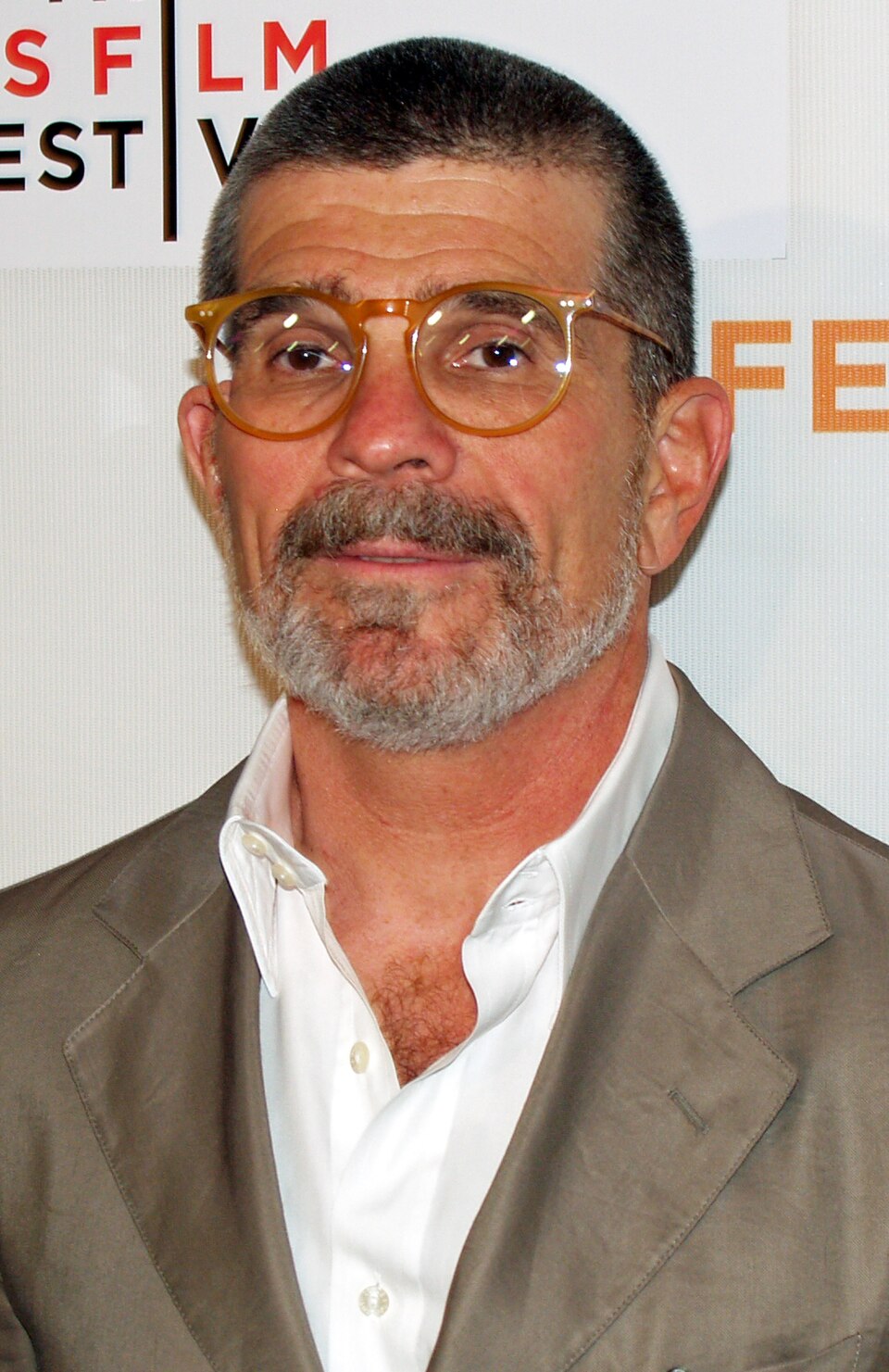
David Mamet
Mamet’s clipped, profane, rhythmic dialogue is so distinctive it has its own name: “Mamet speak”. Glengarry Glen Ross won the 1984 Pulitzer Prize, and American Buffalo and Oleanna are favorites for actors who like language that works like a weapon.
Start withGlengarry Glen Ross, American Buffalo, Oleanna. Roles to know: Ricky Roma, Shelley Levene, Teach, Carol, John.
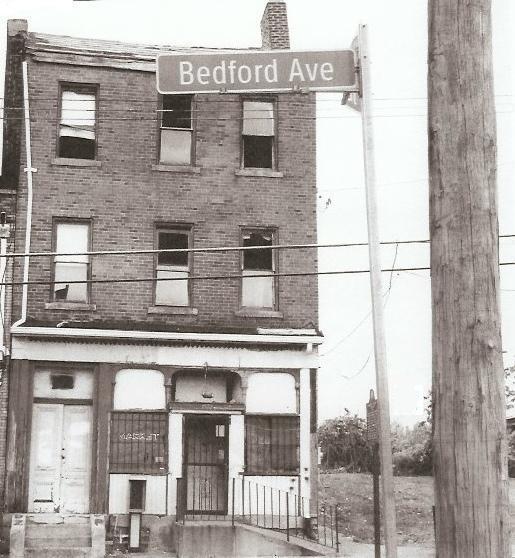
August Wilson
Wilson’s Century Cycle is ten plays, one for each decade of the 20th century, charting Black life in America, nine of them set in Pittsburgh’s Hill District. Fences (1987) and The Piano Lesson (1990) both won the Pulitzer Prize. His monologues are some of the richest in American drama.
Start withFences, The Piano Lesson, Ma Rainey’s Black Bottom. Roles to know: Troy Maxson, Rose Maxson, Boy Willie, Berniece, Ma Rainey. More on August Wilson plays, August Wilson monologues.
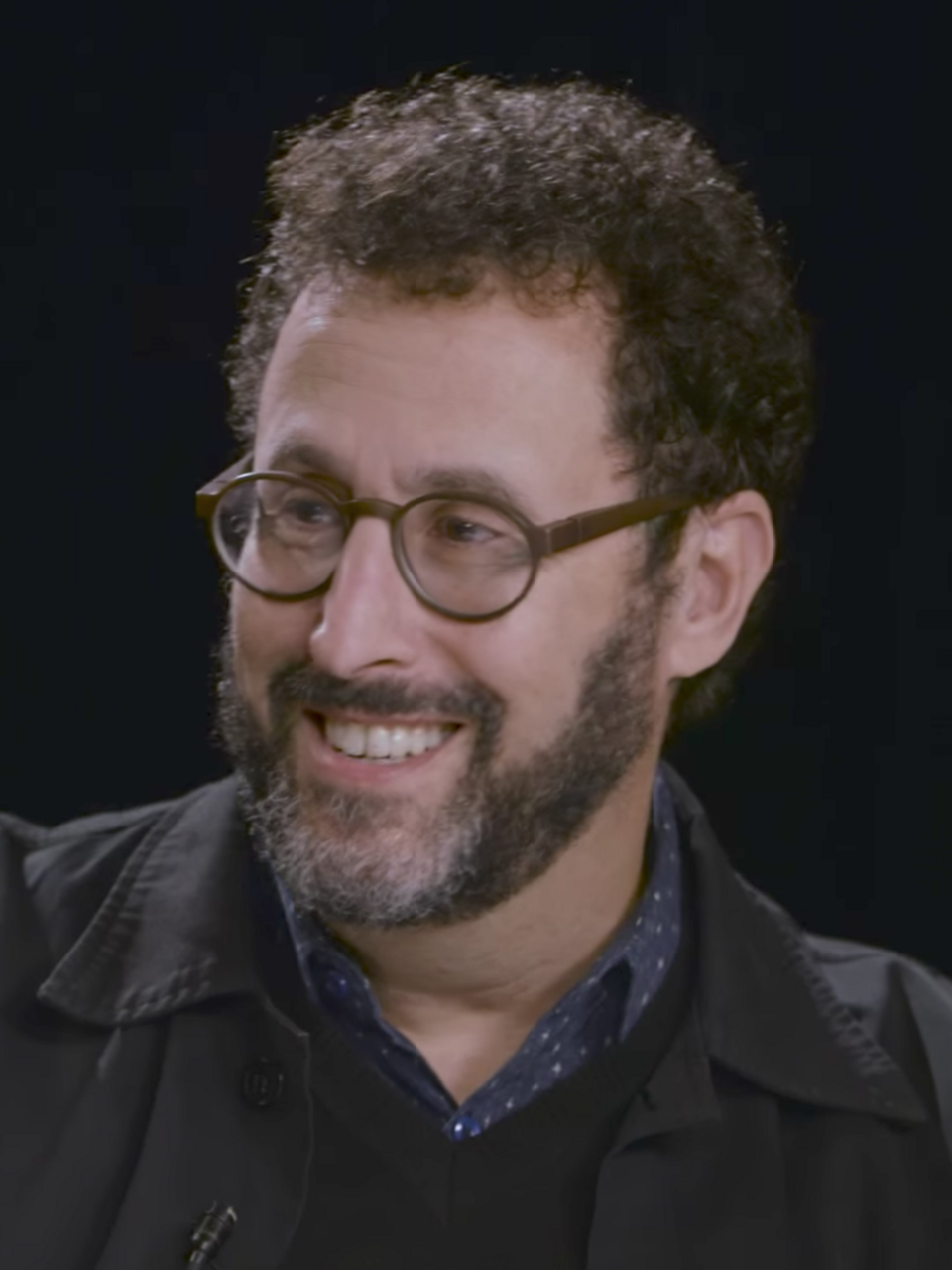
Tony Kushner
Angels in America, Kushner’s two-part “gay fantasia on national themes”, won the 1993 Pulitzer Prize and back-to-back Tony Awards. It mixes politics, AIDS, religion and angels with jokes, and it is often called the most important American play of the late 20th century.
Start withAngels in America, Caroline, or Change. Roles to know: Prior Walter, Louis Ironson, Roy Cohn, Harper Pitt, Belize.
Famous British and European playwrights
From Brecht’s Berlin to the London stage of the 1950s and beyond, these playwrights reinvented what theater could do, and many of their plays are still in the repertoire.
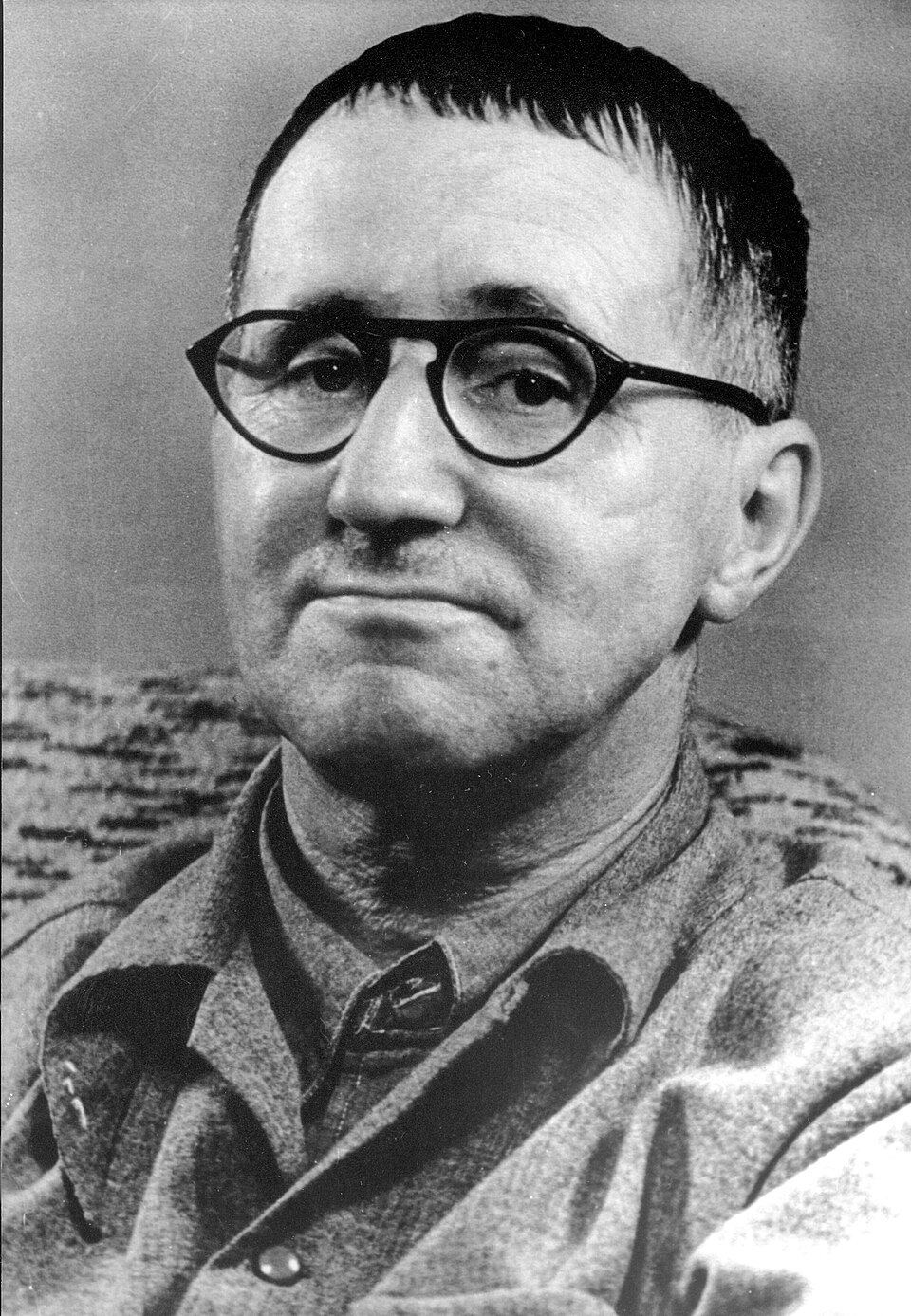
Bertolt Brecht
Brecht created epic theatre, which wants audiences to think rather than lose themselves. He showed the lights, broke scenes with songs and used the “alienation effect” to make the familiar strange. Mother Courage and Her Children and The Threepenny Opera remain his best-known works.
Start withMother Courage and Her Children, The Caucasian Chalk Circle, The Threepenny Opera. Roles to know: Mother Courage, Grusha, Galileo, Macheath.
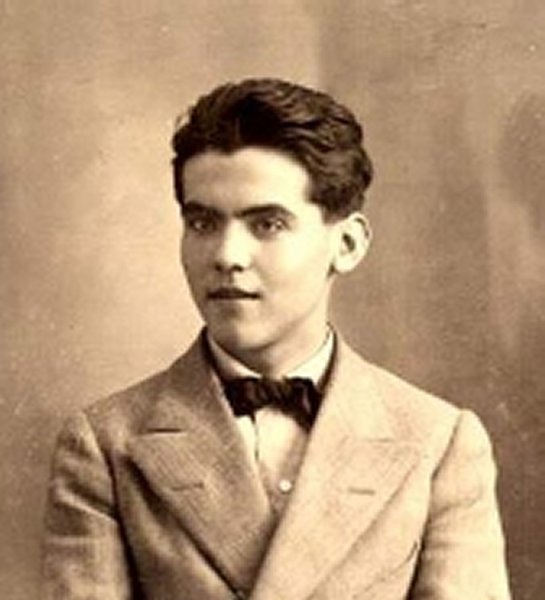
Federico García Lorca
Lorca’s rural tragedies are poetry on fire. Blood Wedding, Yerma and The House of Bernarda Alba are full of passion, honor and repression, with some of the best roles for women anywhere. He was killed at the start of the Spanish Civil War.
Start withThe House of Bernarda Alba, Blood Wedding, Yerma. Roles to know: Bernarda, Adela, Yerma, the Bride, Leonardo.
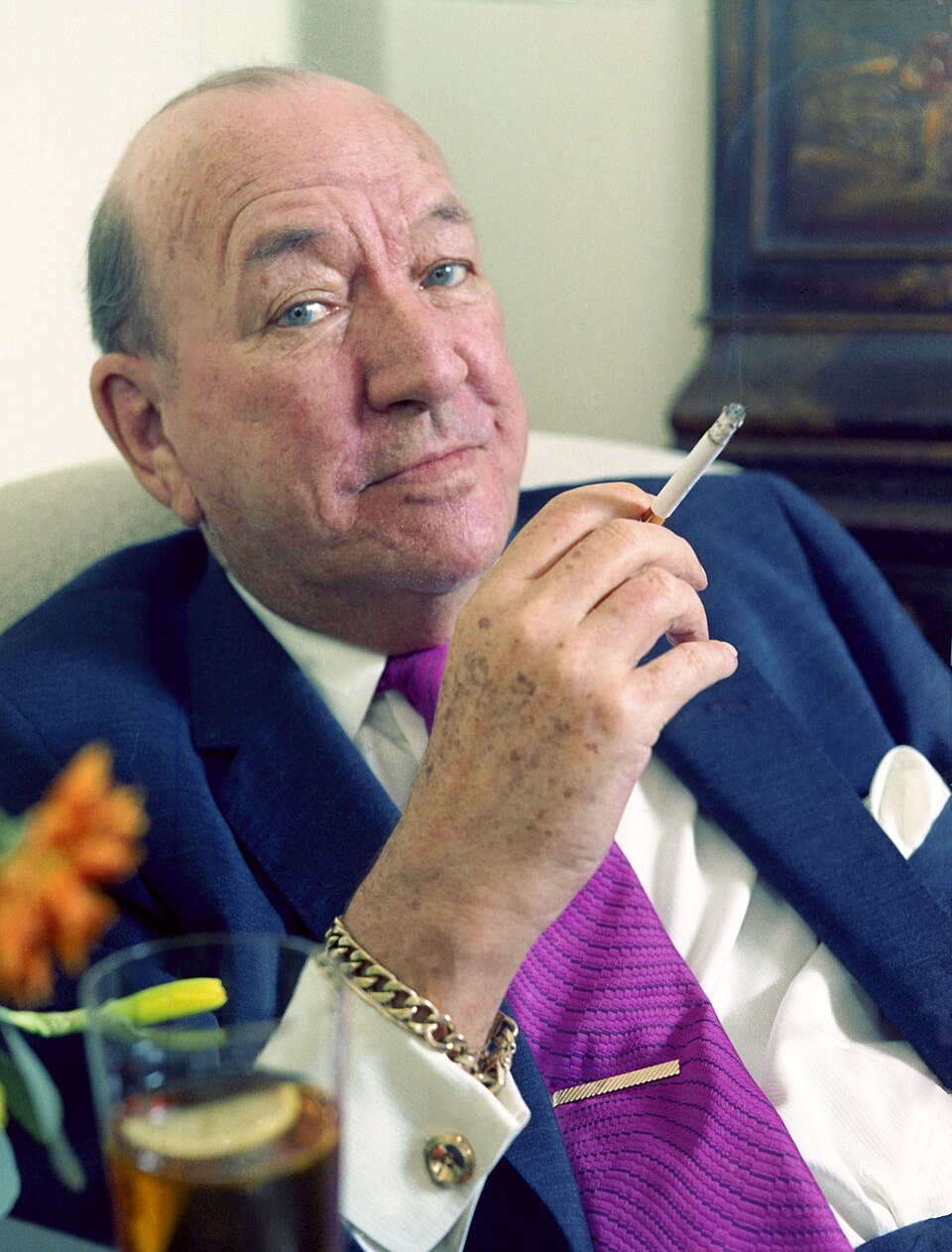
Noël Coward
Coward was the master of brittle, elegant comedy. Private Lives, Hay Fever and Blithe Spirit are built on lightning-quick banter that rewards precise timing, and he wrote, directed and starred in his own hits.
Start withPrivate Lives, Blithe Spirit, Hay Fever. Roles to know: Elyot, Amanda, Madame Arcati, Judith Bliss.
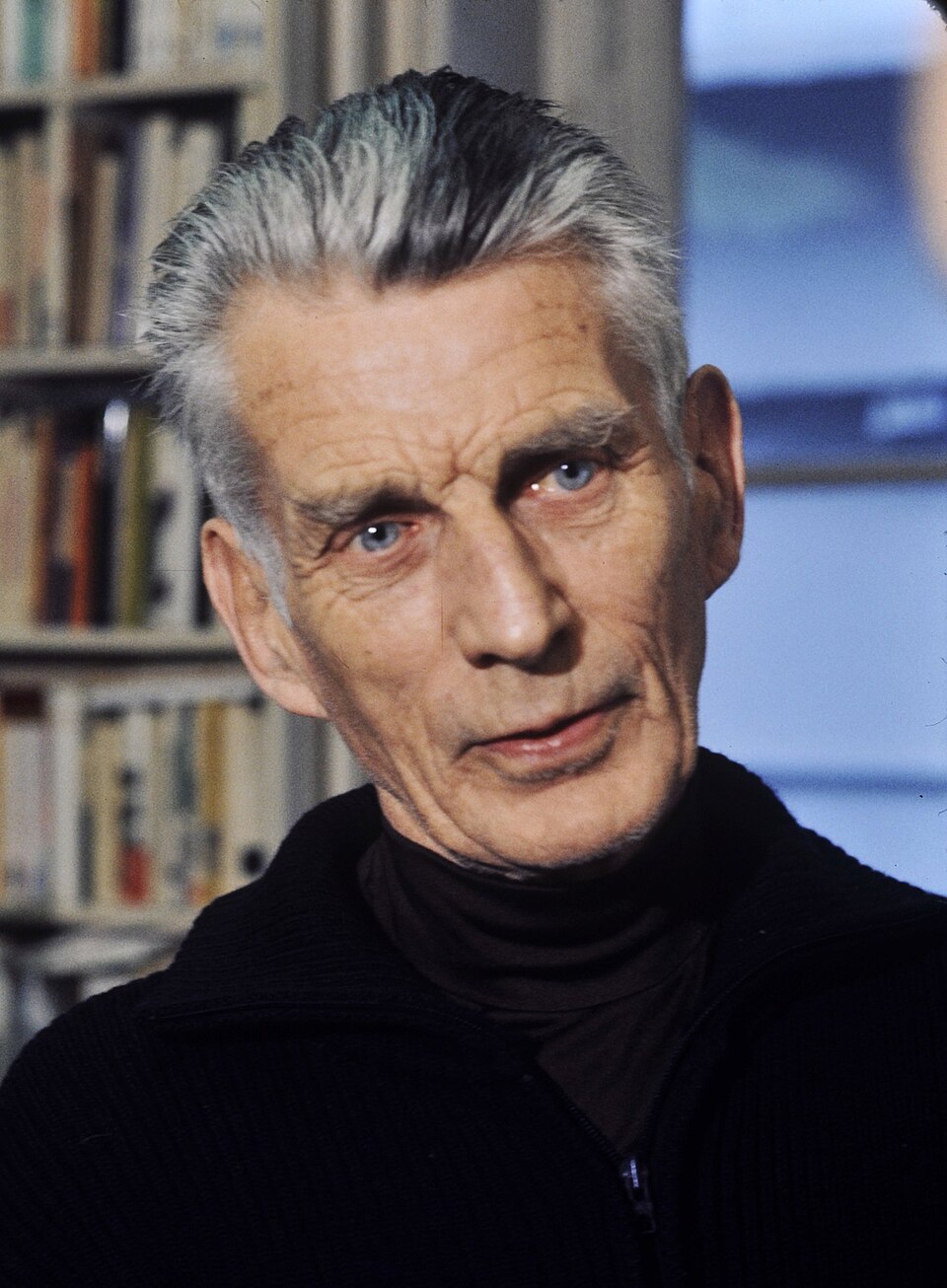
Samuel Beckett
Beckett’s Waiting for Godot, first staged in Paris in 1953, became the defining play of the Theatre of the Absurd: two tramps wait for someone who never comes. He won the Nobel Prize in Literature in 1969, and his late plays pare theater down to a voice and a light.
Start withWaiting for Godot, Endgame, Happy Days. Roles to know: Vladimir, Estragon, Lucky, Hamm, Winnie, Krapp.
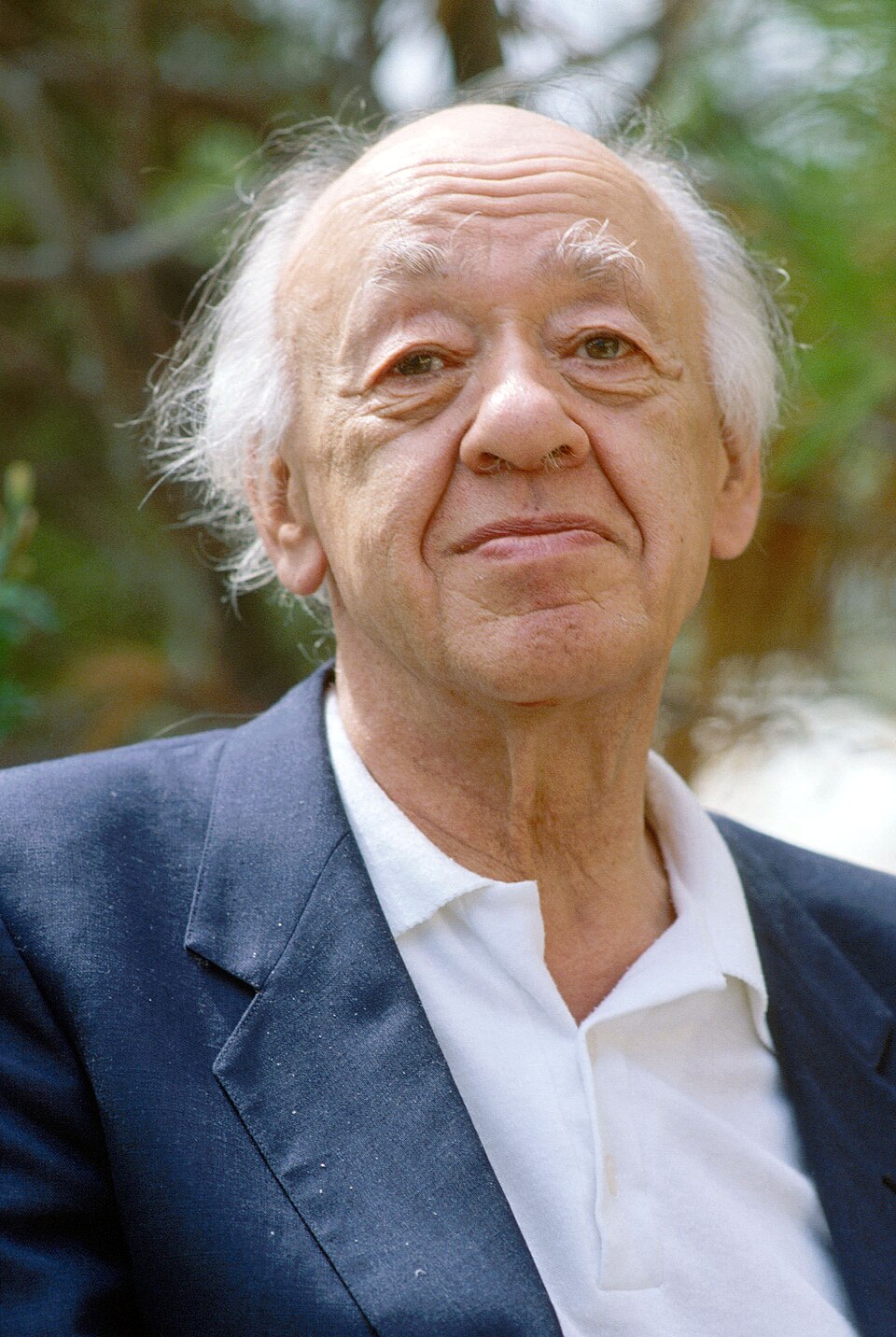
Eugène Ionesco
Ionesco turned the nonsense of language into theater. The Bald Soprano (1950) began as a parody of an English phrasebook, and Rhinoceros, in which a town’s people turn into rhinos, is a comic nightmare about conformity.
Start withRhinoceros, The Bald Soprano, The Chairs. Roles to know: Bérenger, Mr. and Mrs. Smith, the Old Man and Old Woman.
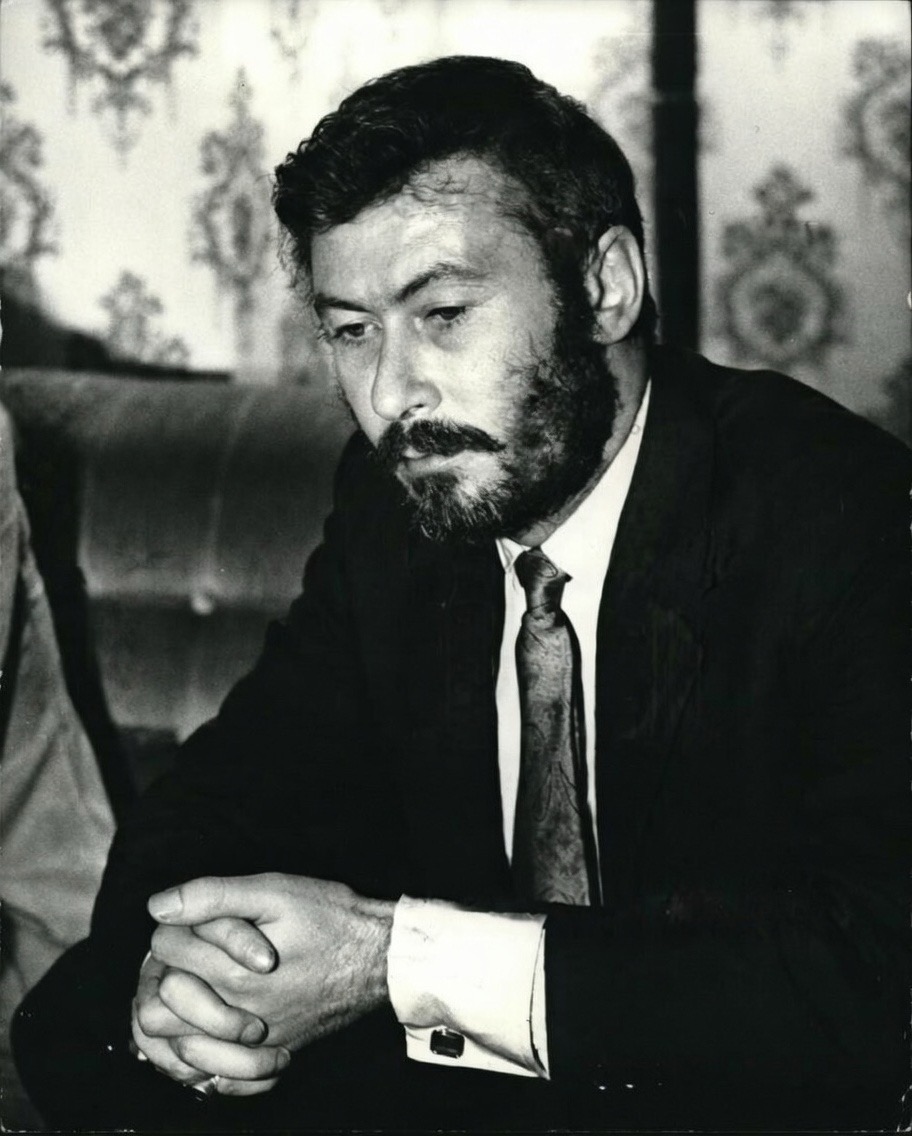
John Osborne
Osborne’s Look Back in Anger (1956) blew up polite British theater. Jimmy Porter’s rage gave the press the label “angry young men” for a generation of writers, and it opened the doors for working-class voices on the London stage.
Start withLook Back in Anger, The Entertainer. Roles to know: Jimmy Porter, Alison Porter, Archie Rice.
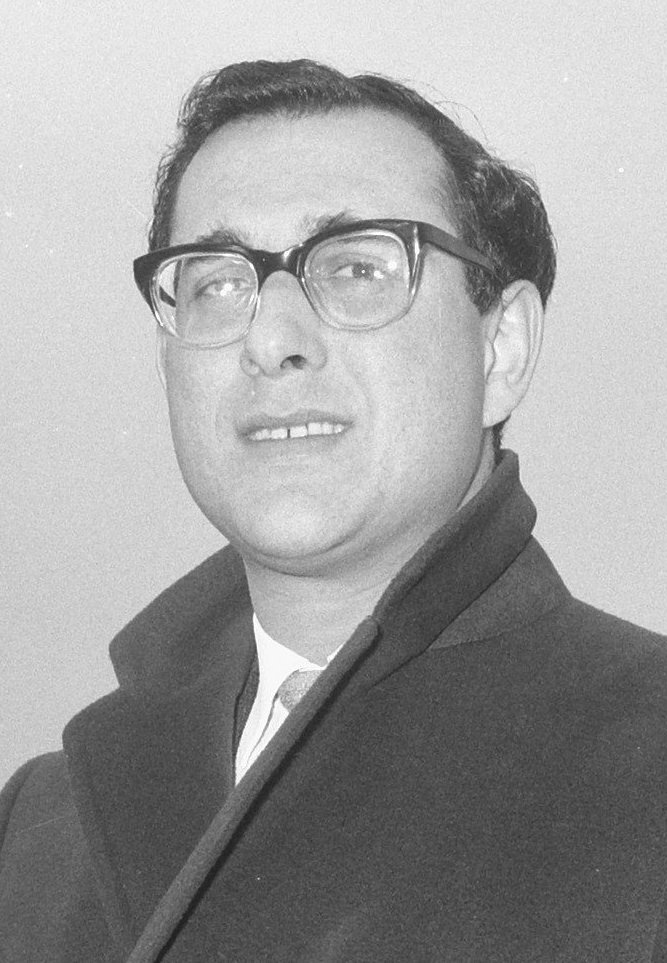
Harold Pinter
Pinter made silence and menace into drama. The “Pinter pause” is famous for a reason: in The Birthday Party, The Homecoming and Betrayal what is not said matters more than what is. He won the Nobel Prize in Literature in 2005.
Start withThe Homecoming, Betrayal, The Birthday Party. Roles to know: Ruth, Lenny, Max, Emma, Jerry, Robert.
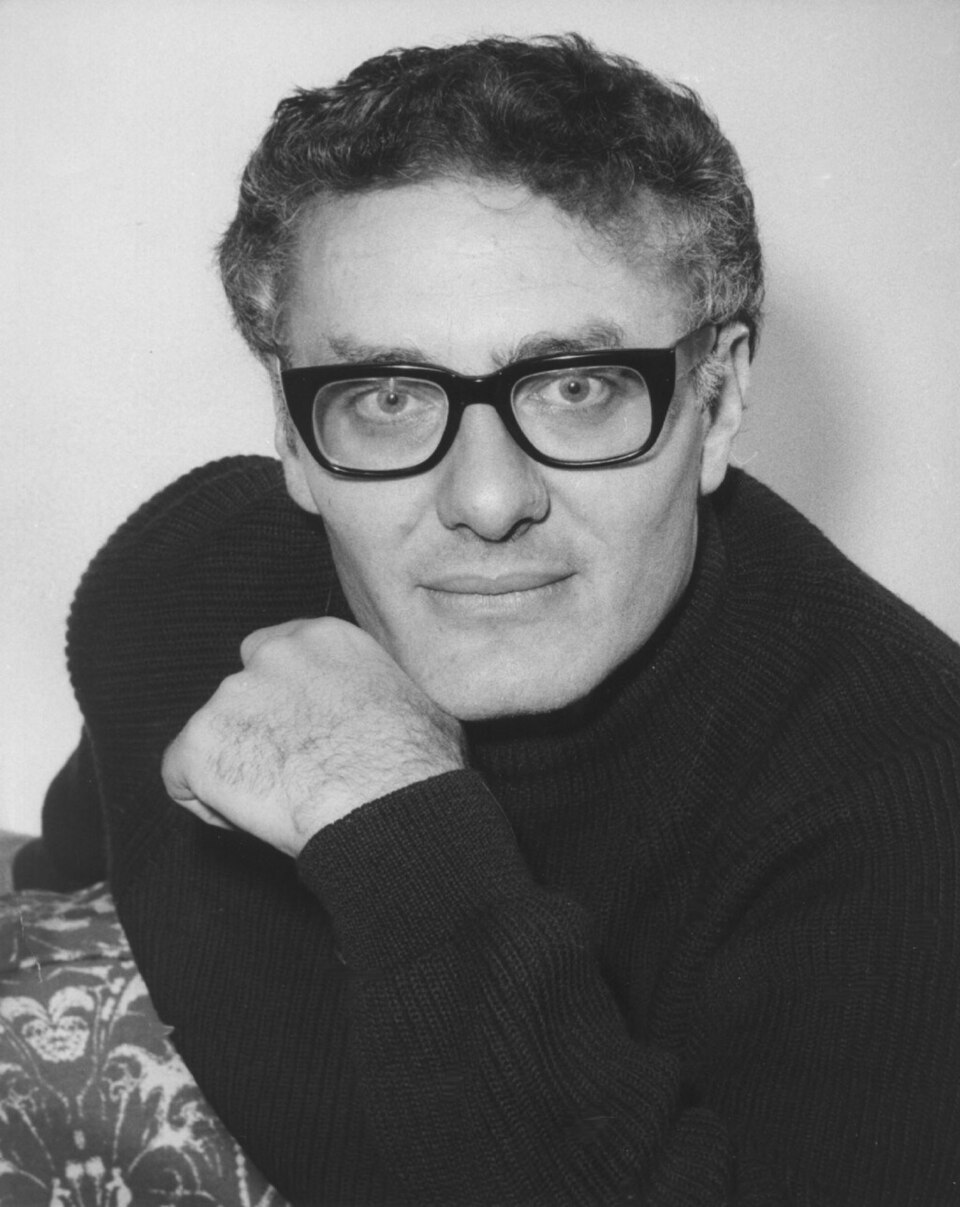
Peter Shaffer
Shaffer wrote big, theatrical plays about genius and obsession. Equus (1973) follows a psychiatrist trying to understand why a boy blinded six horses, and Amadeus (1979) tells Mozart’s story through the jealous eyes of Salieri.
Start withAmadeus, Equus. Roles to know: Salieri, Mozart, Alan Strang, Martin Dysart.
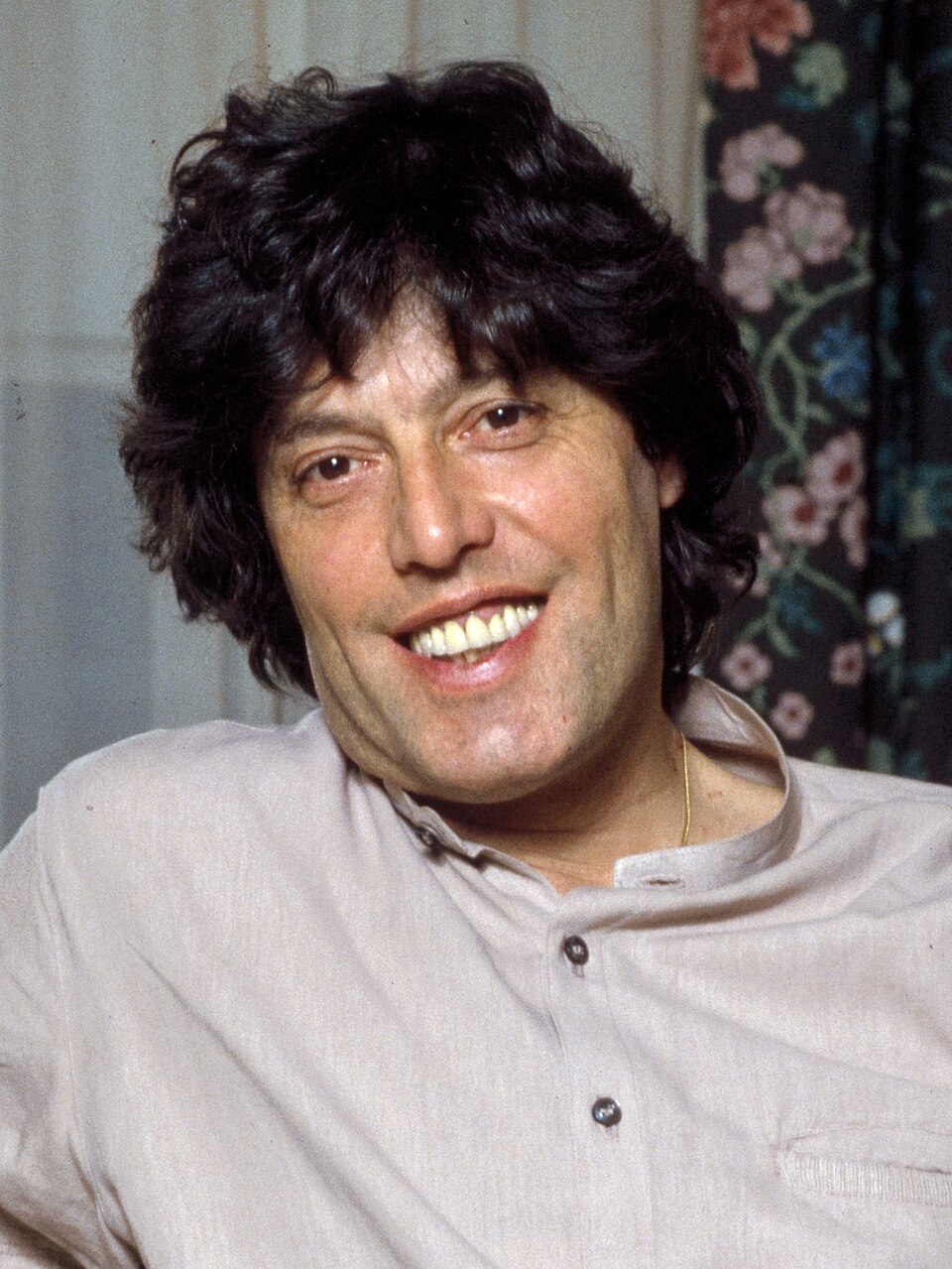
Tom Stoppard
Stoppard made ideas thrilling on stage. Rosencrantz and Guildenstern Are Dead (1966) turned two of Shakespeare’s walk-ons into heroes, Arcadia mixes chaos theory with country-house comedy, and he won an Oscar for co-writing Shakespeare in Love.
Start withArcadia, Rosencrantz and Guildenstern Are Dead, The Real Thing. Roles to know: Rosencrantz, Guildenstern, Thomasina, Septimus, Henry.
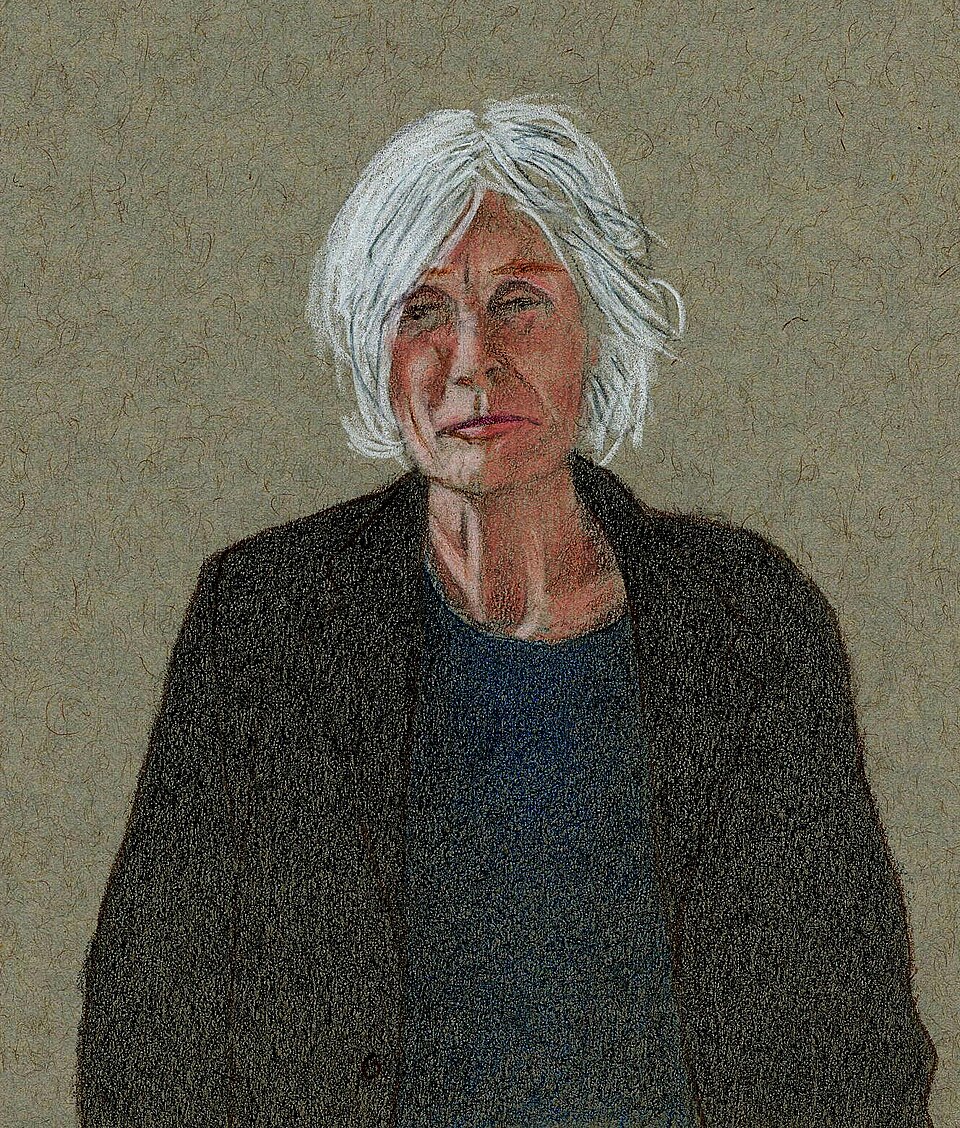
Caryl Churchill
Churchill reinvents the form of every play she writes. Top Girls (1982) opens with a dinner party of famous women from history, Cloud Nine plays with gender and casting, and her short late plays are some of the boldest writing in English theater.
Start withTop Girls, Cloud Nine, A Number. Roles to know: Marlene, Joyce, Angie, Pope Joan, Bernard.
Playwrights from around the world
Great drama is not only European and American. These three writers took the theater of their countries to the world stage.
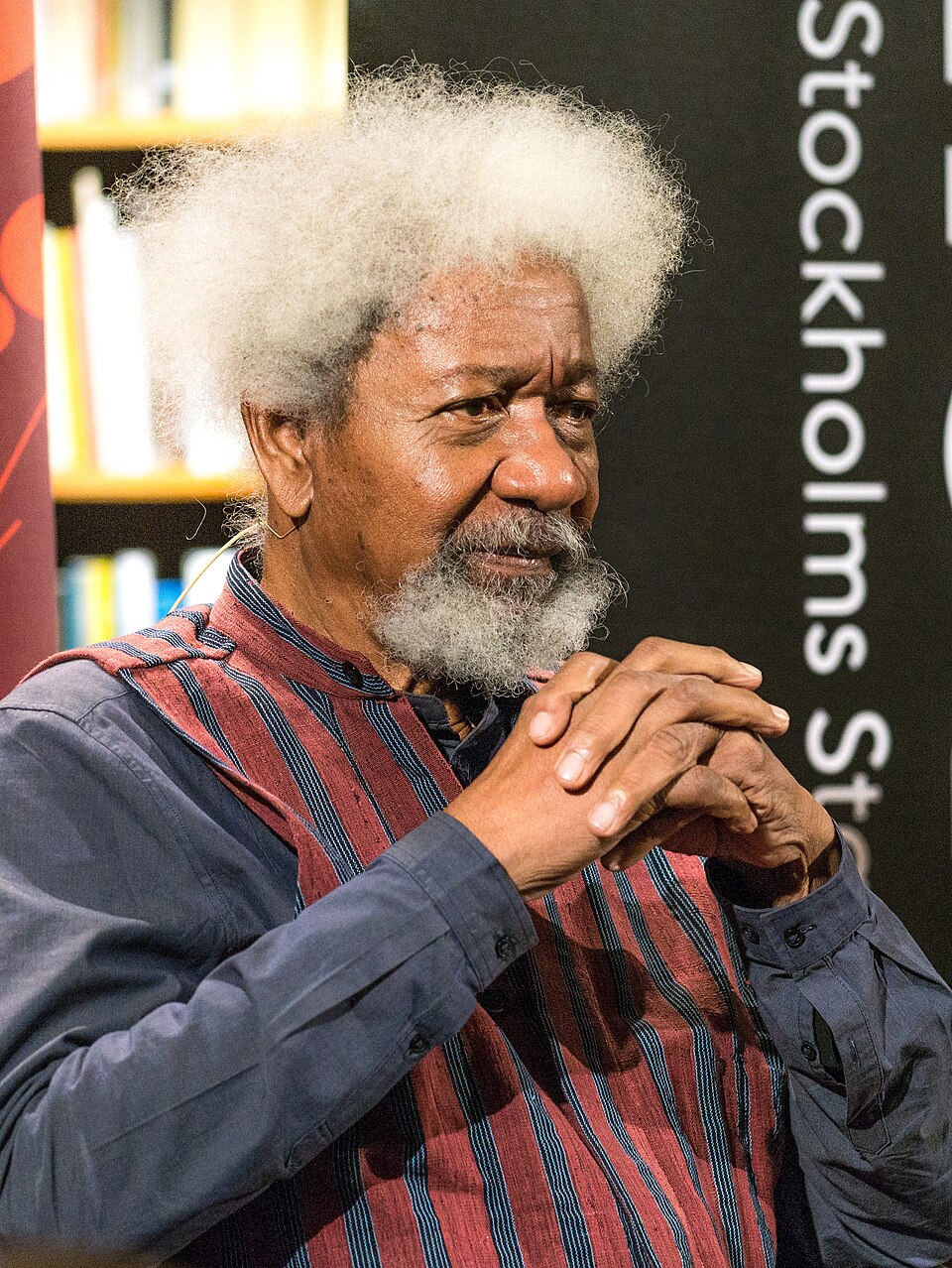
Wole Soyinka
Soyinka became the first African writer to win the Nobel Prize in Literature, in 1986. His plays blend Yoruba myth, ritual and music with Western forms, and Death and the King’s Horseman is a modern tragedy about duty, colonialism and sacrifice.
Start withDeath and the King’s Horseman, The Lion and the Jewel. Roles to know: Elesin Oba, Olunde, Iyaloja, Sidi, Baroka.
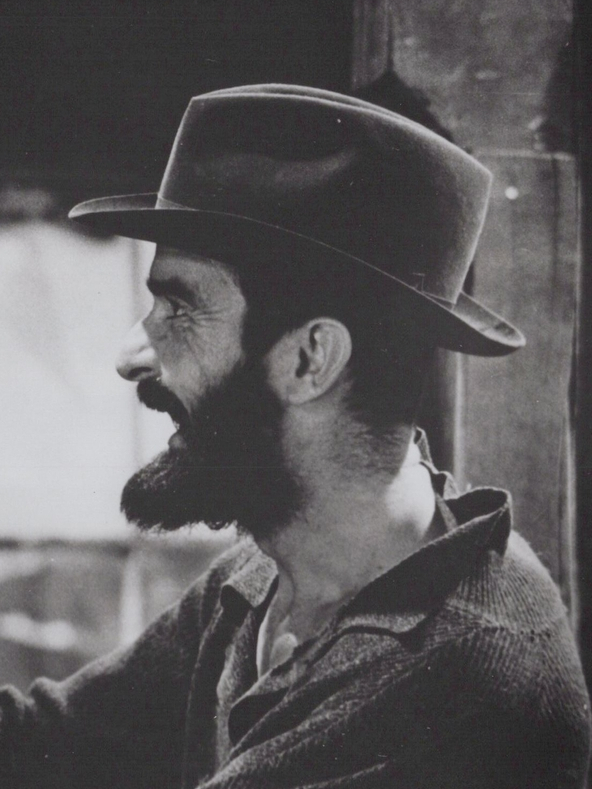
Athol Fugard
Fugard wrote South Africa’s apartheid years onto the stage, often with tiny casts and enormous stakes. “Master Harold”… and the Boys (1982) is one of the great two- and three-hander plays, and his collaborations with John Kani and Winston Ntshona changed political theater.
Start with“Master Harold”… and the Boys, Sizwe Banzi Is Dead, Blood Knot. Roles to know: Hally, Sam, Willie, Sizwe Banzi.
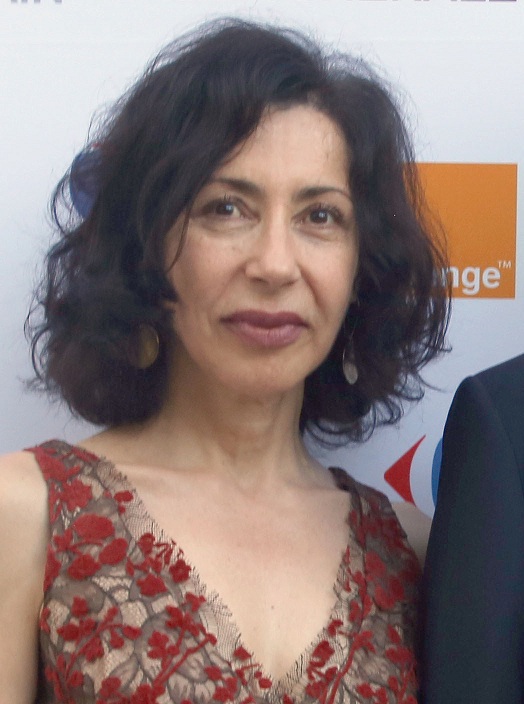
Yasmina Reza
Reza writes sharp, funny plays about civilized people falling apart. Art (1994), three friends arguing over a white painting, won the Tony Award for Best Play, and God of Carnage did the same in 2009.
Start withArt, God of Carnage. Roles to know: Serge, Marc, Yvan, Véronique, Alain.
Contemporary playwrights to know
These are the playwrights shaping theater since the 1970s, and the ones most likely to give you a fresh audition piece.
MF
María Irene Fornés
Fornés was the quiet giant of off-off-Broadway and one of the most influential teachers American theater has had. Fefu and Her Friends (1977) moves the audience through different rooms of a house, and her spare, strange plays won multiple Obie Awards.
Start withFefu and Her Friends, Mud, The Conduct of Life. Roles to know: Fefu, Julia, Mae.
CD
Christopher Durang
Durang was American theater’s funniest absurdist. Sister Mary Ignatius Explains It All for You and Beyond Therapy made him an off-Broadway favorite, and Vanya and Sonia and Masha and Spike won the 2013 Tony Award for Best Play.
Start withVanya and Sonia and Masha and Spike, Beyond Therapy. Roles to know: Vanya, Sonia, Masha, Sister Mary Ignatius.
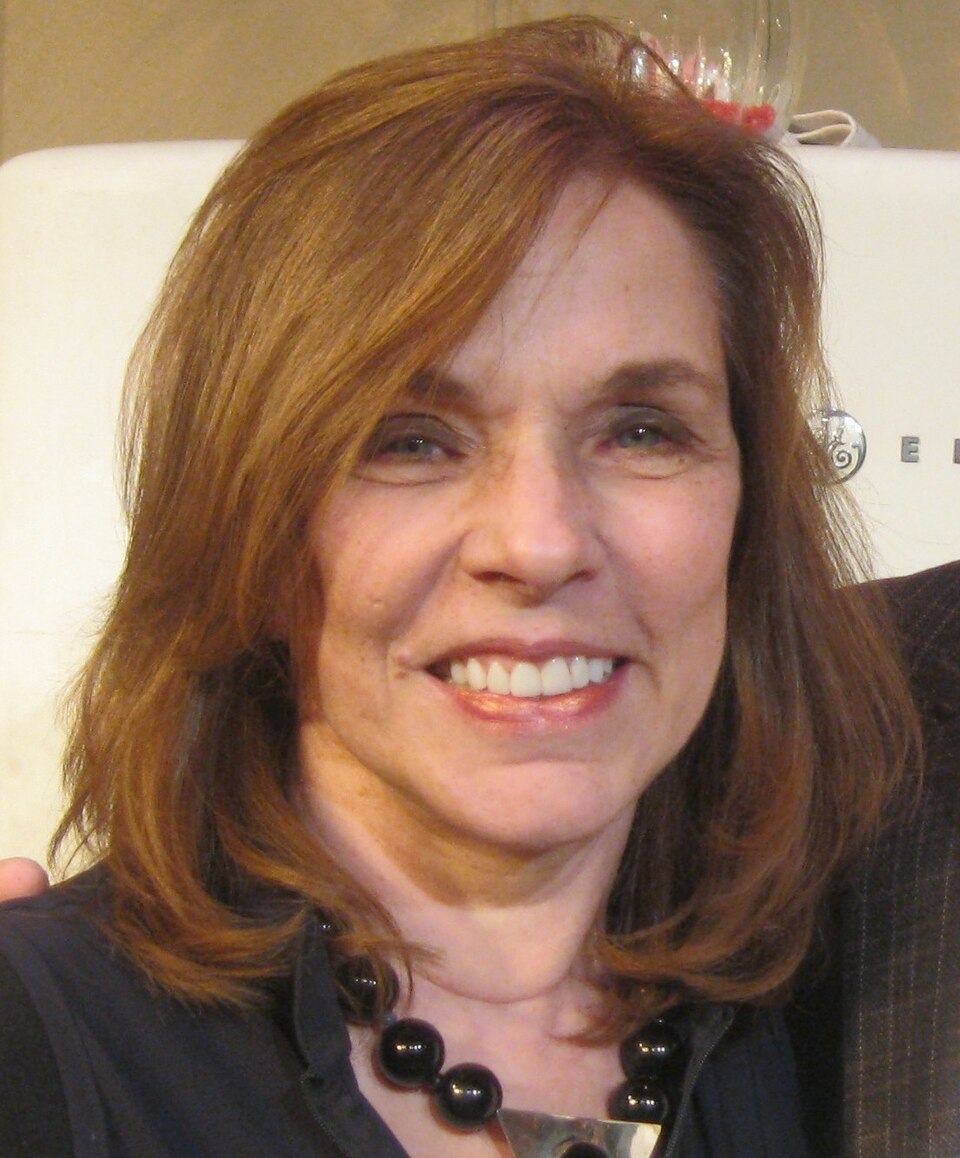
Marsha Norman
Norman’s ‘night, Mother (1983 Pulitzer Prize) is a mother and daughter on one evening, and one of the most demanding two-handers in American drama. She also wrote the book for the Tony-winning musical The Secret Garden.
Start with‘night, Mother, Getting Out. Roles to know: Jessie, Thelma (Mama), Arlene.
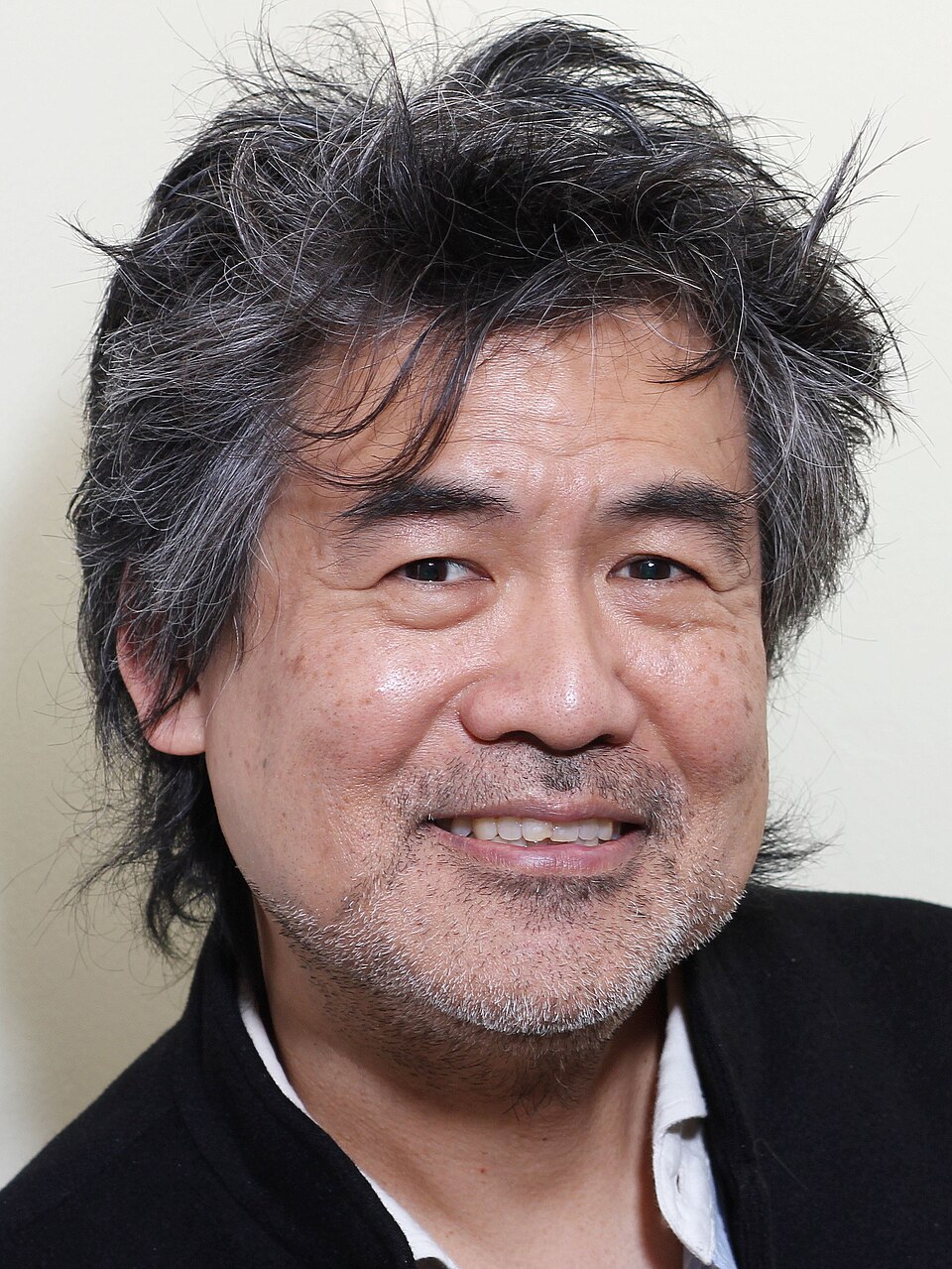
David Henry Hwang
Hwang’s M. Butterfly (1988) made him the first Asian American playwright to win the Tony Award for Best Play. His work, from Yellow Face to Chinglish, explores identity, culture and who gets to tell which stories.
Start withM. Butterfly, Yellow Face. Roles to know: Rene Gallimard, Song Liling, DHH.
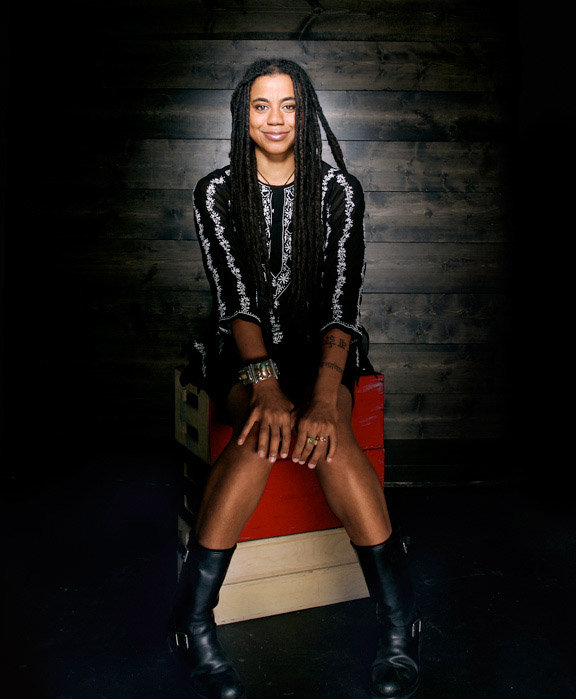
Suzan-Lori Parks
Parks became the first African American woman to win the Pulitzer Prize for Drama, for Topdog/Underdog (2002), two brothers named Lincoln and Booth. Her plays rewrite American history with wordplay, repetition and rhythm all her own.
Start withTopdog/Underdog, Venus, Father Comes Home from the Wars. Roles to know: Lincoln, Booth, Hester.
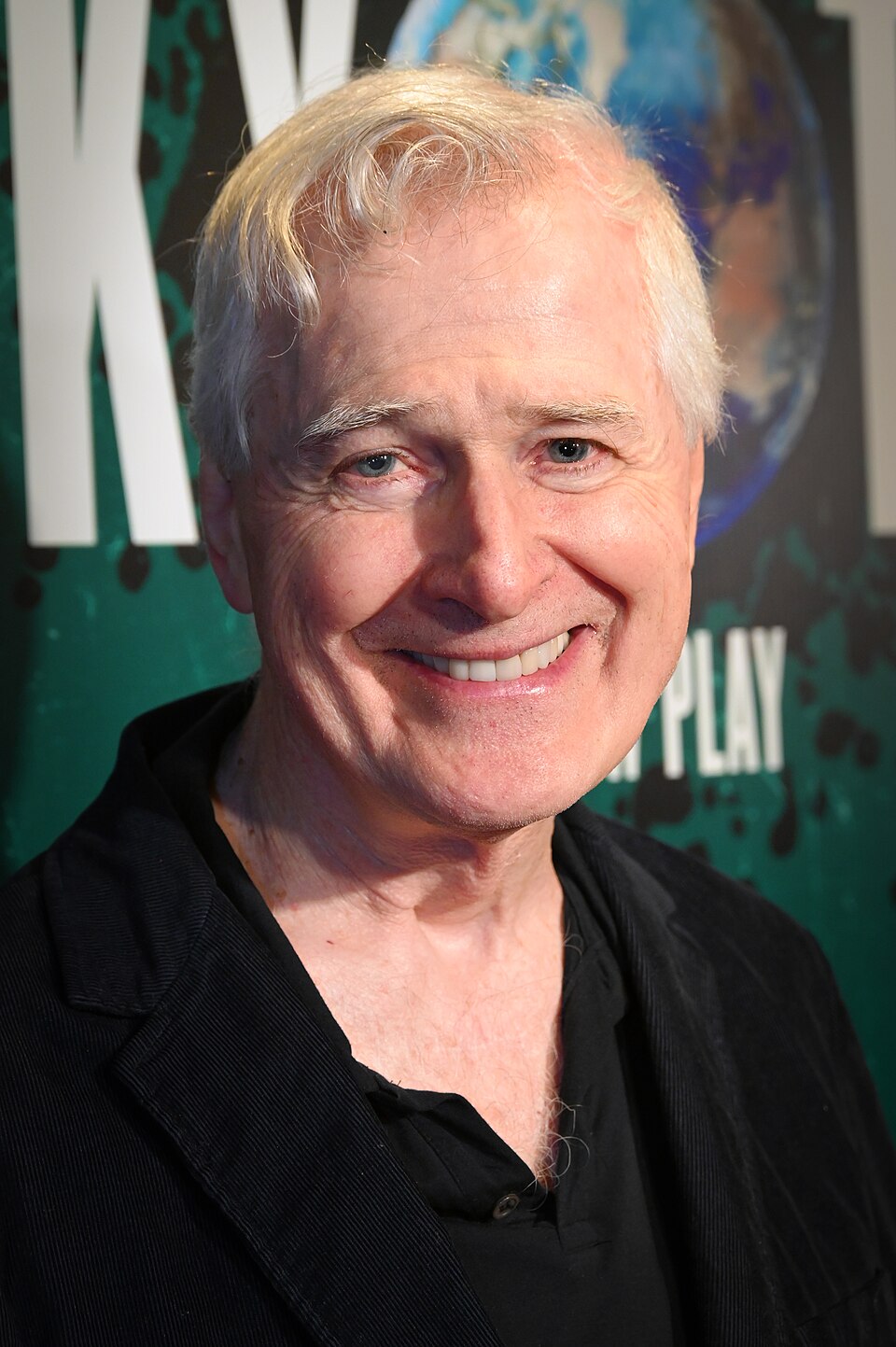
John Patrick Shanley
Shanley writes about tough, tender New Yorkers, and his scenes are fixtures of acting class. Doubt won the 2005 Pulitzer Prize and Tony Award, Danny and the Deep Blue Sea is one of the most-used scenes in the business, and he won an Oscar for Moonstruck.
Start withDoubt, Danny and the Deep Blue Sea, Outside Mullingar. Roles to know: Sister Aloysius, Father Flynn, Danny, Roberta. More on John Patrick Shanley, John Patrick Shanley monologues.
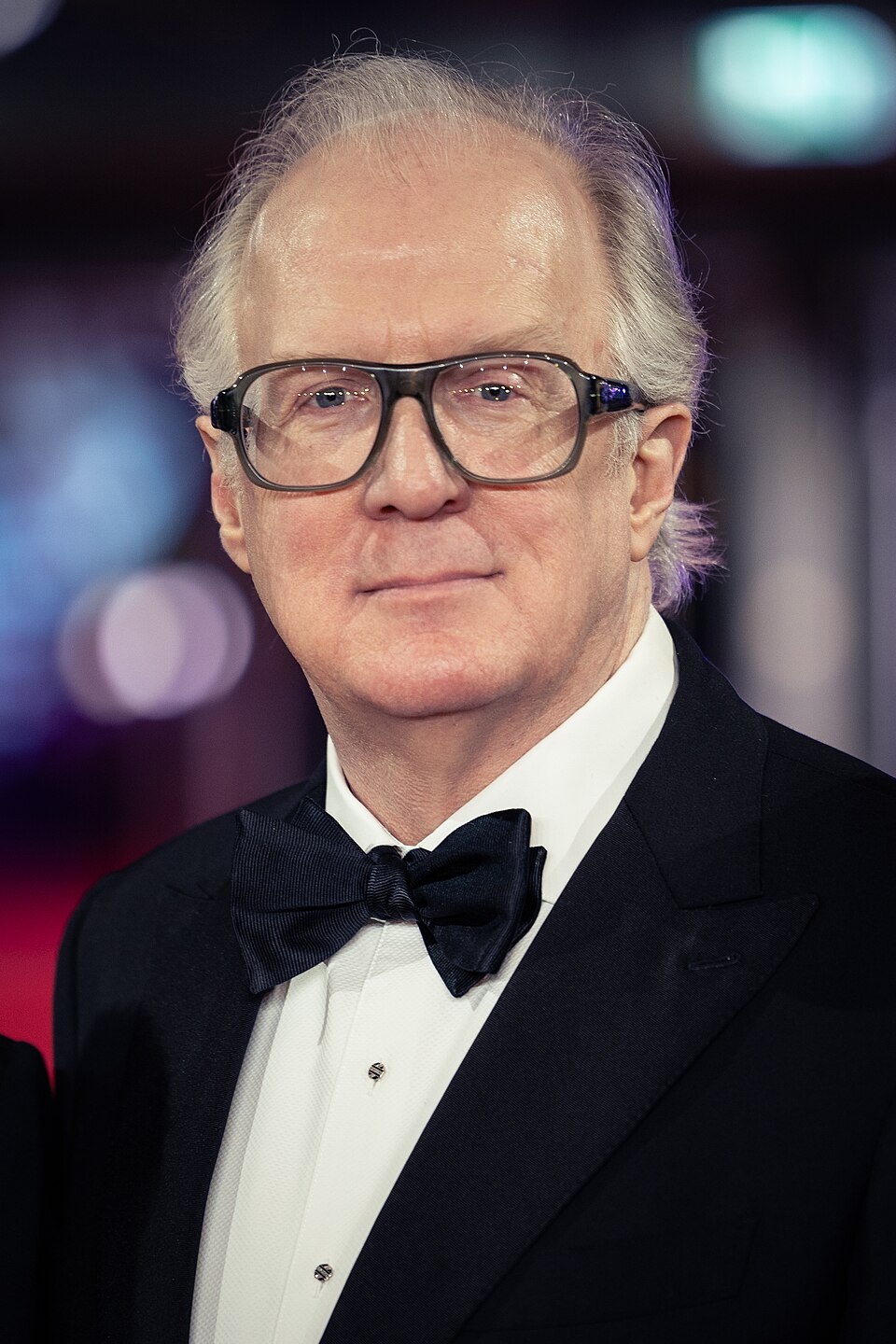
Tracy Letts
Letts writes big, dark family comedies and thrillers. August: Osage County won the 2008 Pulitzer Prize and Tony Award, and he is also a Tony-winning actor. He is a longtime ensemble member of Chicago’s Steppenwolf Theatre Company.
Start withAugust: Osage County, Killer Joe, Bug. Roles to know: Violet Weston, Barbara Fordham, Ivy, Johnna.
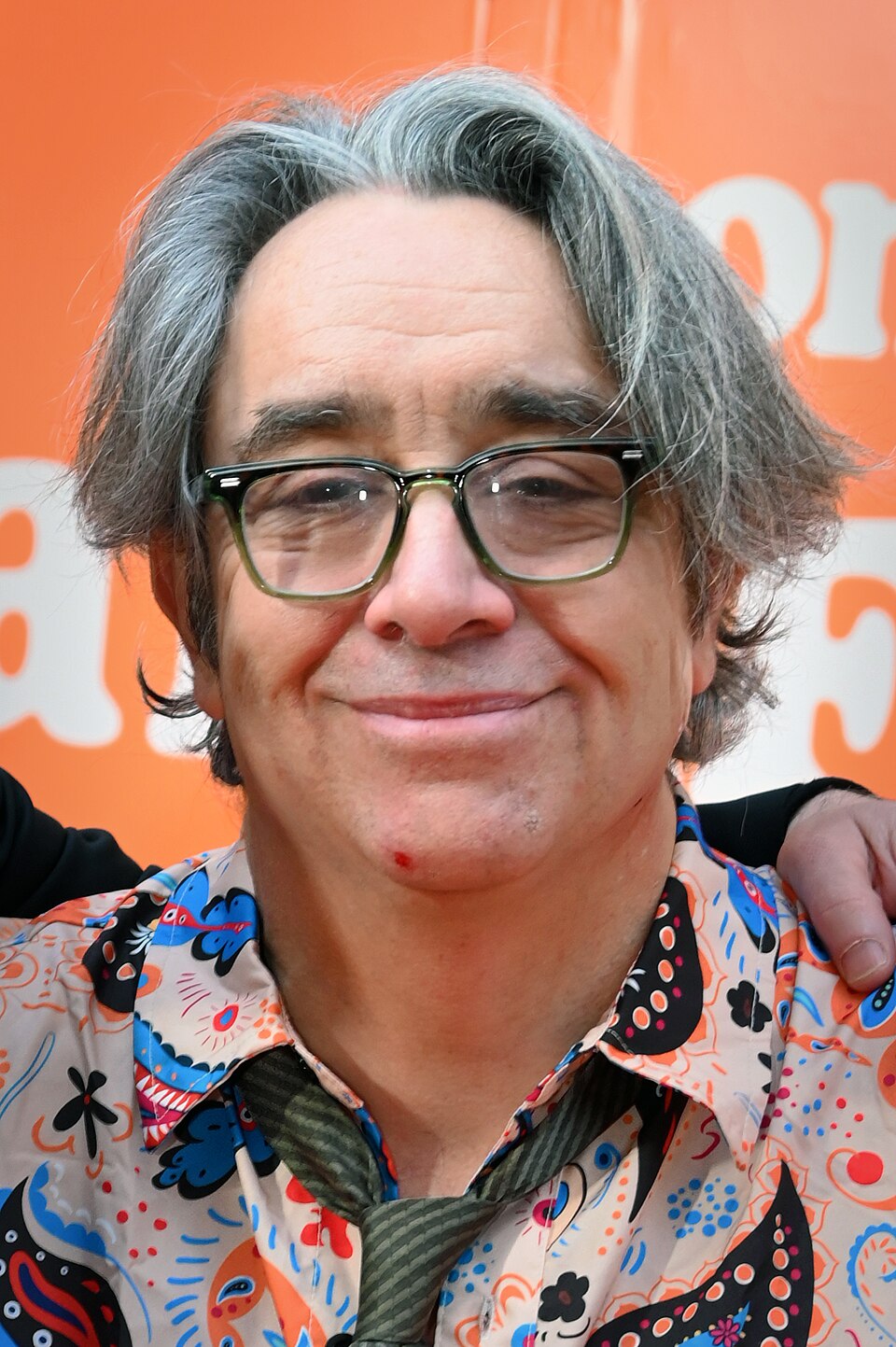
Stephen Adly Guirgis
Guirgis writes New York in all its profane, funny, desperate glory. Between Riverside and Crazy won the 2015 Pulitzer Prize, and Jesus Hopped the ‘A’ Train and The Motherf**ker with the Hat are packed with monologues actors love. He came up through the LAByrinth Theater Company.
Start withBetween Riverside and Crazy, Jesus Hopped the ‘A’ Train. Roles to know: Walter “Pops” Washington, Angel Cruz, Lucius Jenkins, Jackie. More on Stephen Adly Guirgis plays, our interview with Stephen Adly Guirgis.
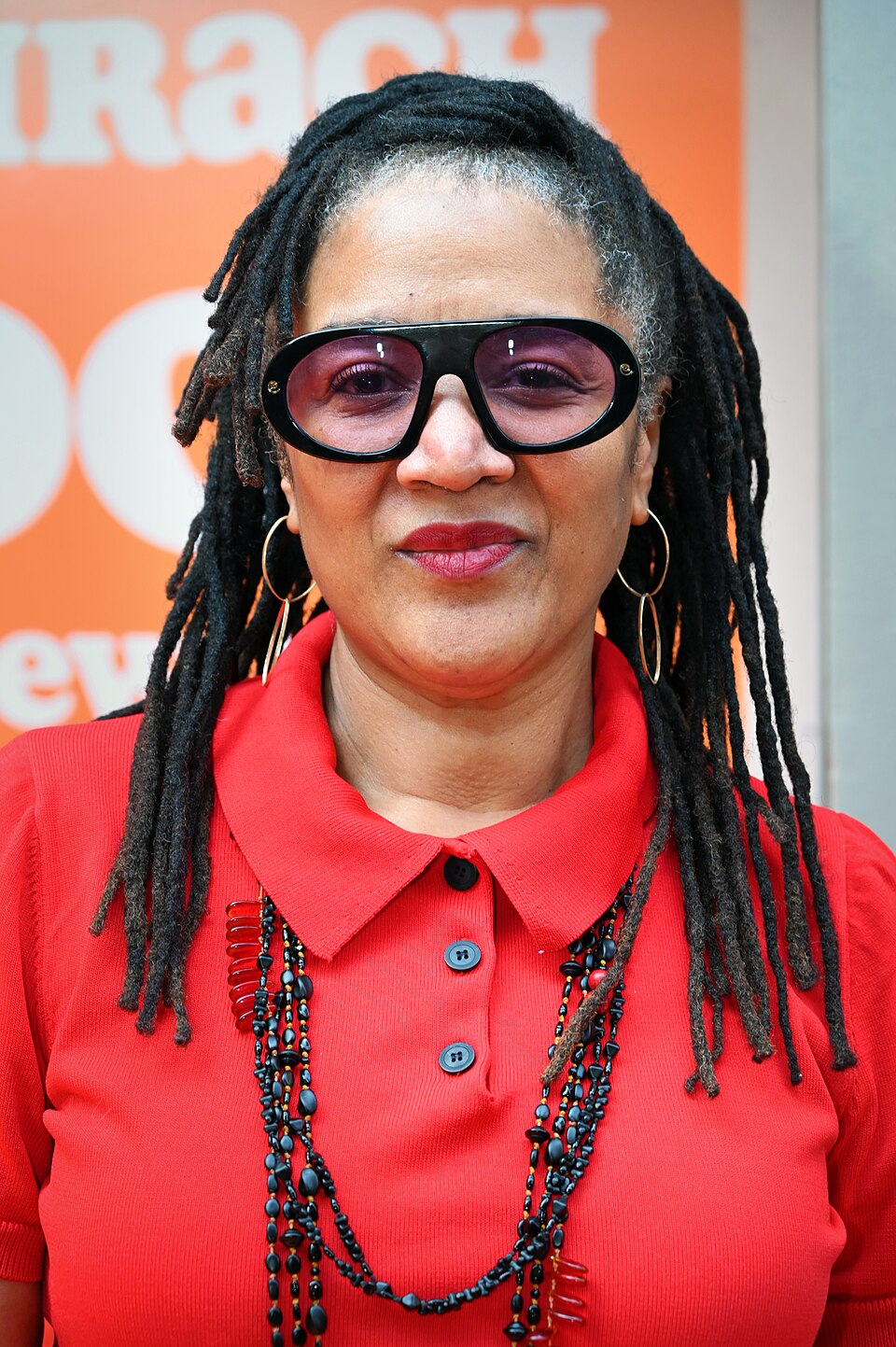
Lynn Nottage
Nottage is the only woman to win the Pulitzer Prize for Drama twice, for Ruined (2009) and Sweat (2017). She researches deeply, from Congolese women in wartime to steelworkers in Pennsylvania, and builds big, humane plays out of what she finds.
Start withSweat, Ruined, Intimate Apparel. Roles to know: Mama Nadi, Tracey, Cynthia, Esther.
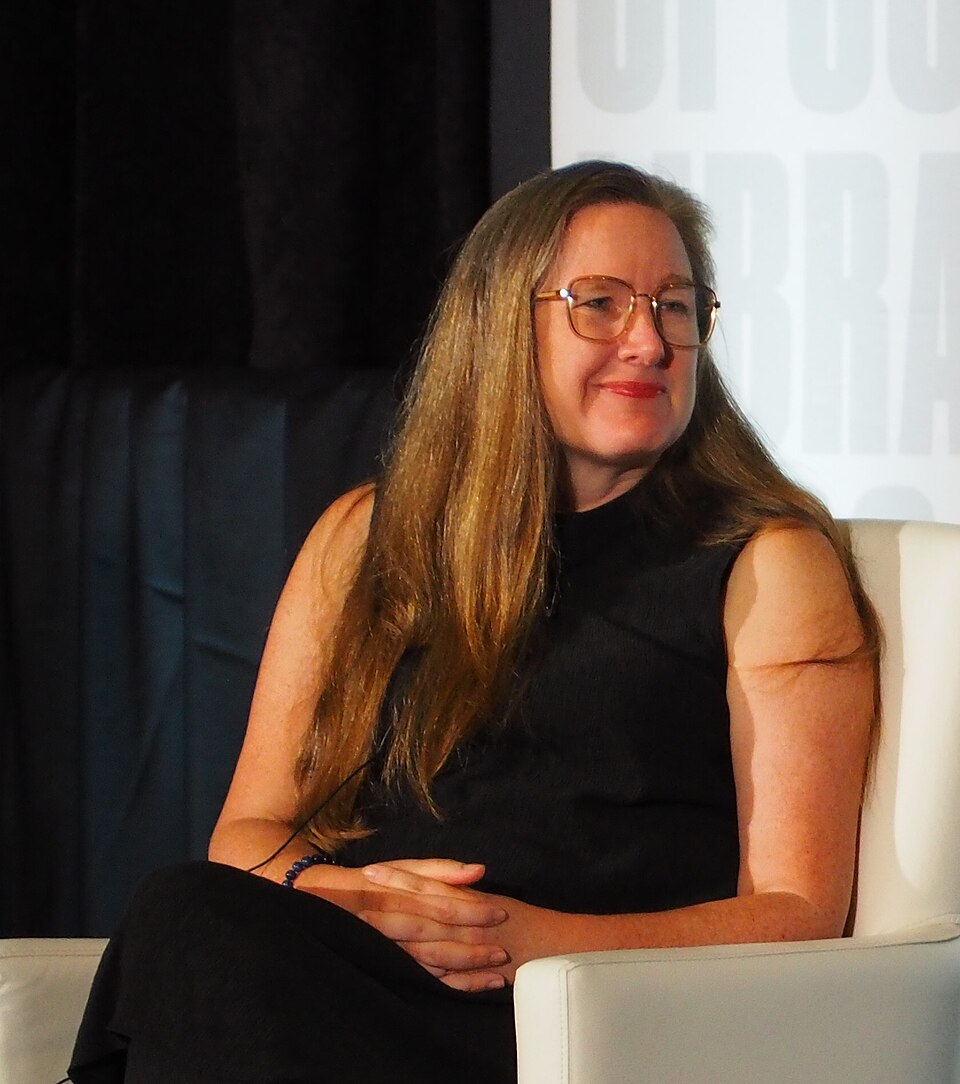
Sarah Ruhl
Ruhl writes lyrical, funny plays where the everyday turns magical. Eurydice retells the myth from the bride’s point of view, and In the Next Room (or The Vibrator Play) was a Pulitzer finalist. She is a MacArthur Fellow.
Start withEurydice, The Clean House, In the Next Room. Roles to know: Eurydice, Orpheus, Matilde, Lane.
Martin McDonagh
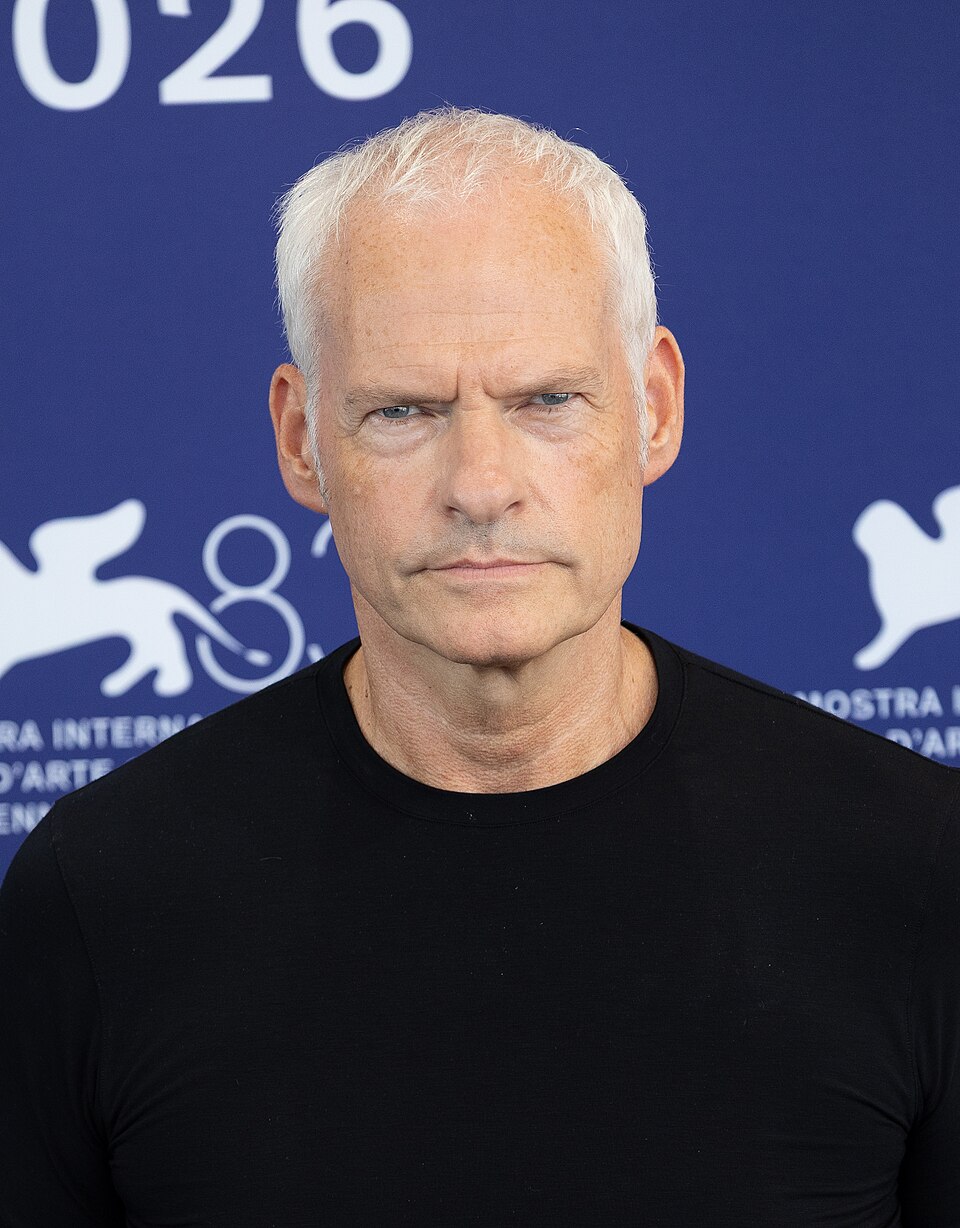
McDonagh writes savage black comedy set mostly in the west of Ireland. The Beauty Queen of Leenane and The Pillowman made his name on stage before he turned to film with In Bruges and The Banshees of Inisherin.
Start withThe Beauty Queen of Leenane, The Pillowman, The Lieutenant of Inishmore. Roles to know: Maureen, Mag, Katurian, Padraic.
Annie Baker
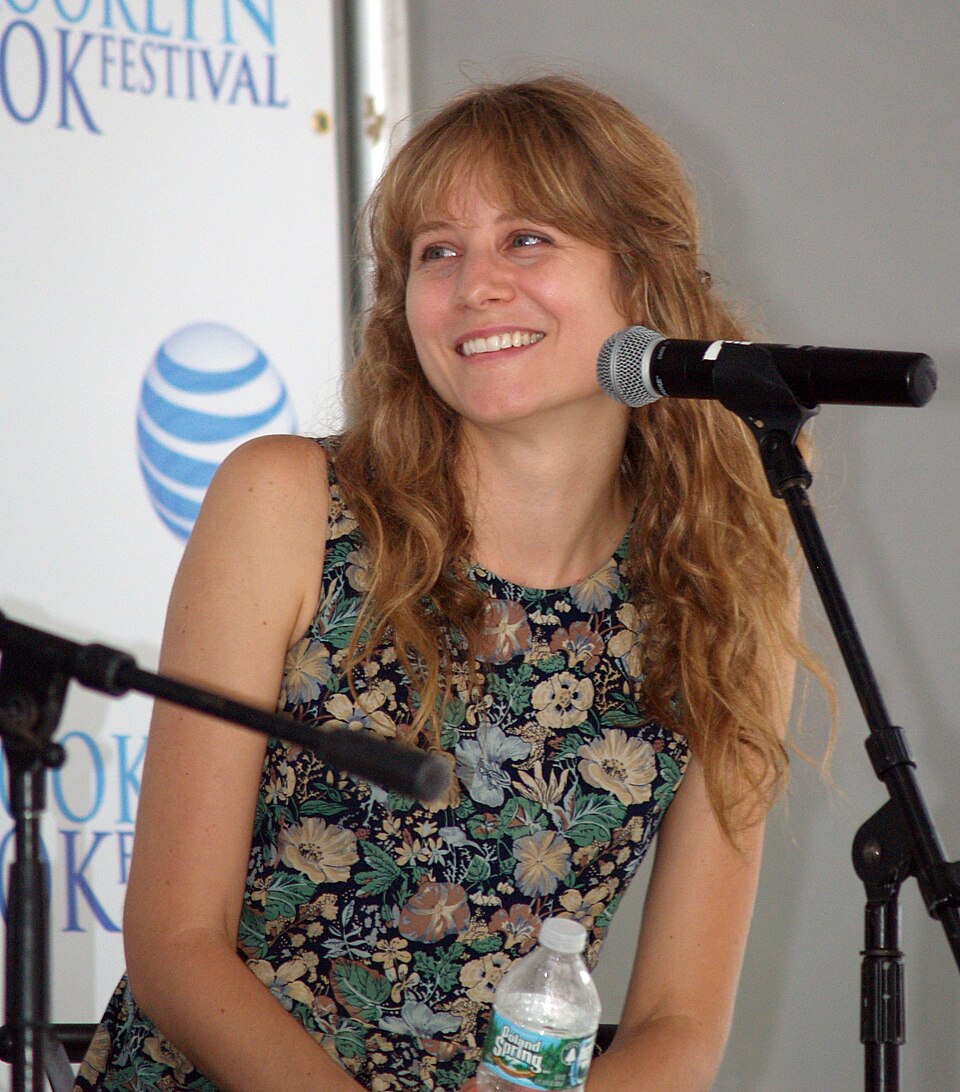
Baker writes quiet, naturalistic plays where the pauses do the work. The Flick, about three employees at a run-down Massachusetts movie theater, won the 2014 Pulitzer Prize. Her plays are a gift for actors who love detail.
Start withThe Flick, Circle Mirror Transformation, John. Roles to know: Sam, Avery, Rose, Marty, Mertis.
Famous playwrights FAQs
Who is the greatest playwright of all time?
William Shakespeare is the playwright most often named the greatest of all time. His roughly 39 plays, from Hamlet to A Midsummer Night’s Dream, are performed more than any others. Sophocles, Anton Chekhov, Henrik Ibsen and Eugene O’Neill are the names critics most often place beside him.
Who was the first playwright?
The earliest playwright whose work survives complete is Aeschylus, whose The Persians was staged in Athens in 472 BC. Greek tradition credits Thespis, around 534 BC, as the first actor to step out of the chorus, which is why actors are still called thespians.
Who is the most famous American playwright?
Eugene O’Neill is usually called the greatest American playwright: he won four Pulitzer Prizes and is the only American dramatist to win the Nobel Prize in Literature. Tennessee Williams, Arthur Miller and August Wilson are his closest rivals.
Who are the most famous female playwrights?
The most famous female playwrights include Lorraine Hansberry (A Raisin in the Sun), Caryl Churchill (Top Girls), Lynn Nottage, the only woman with two Pulitzer Prizes for Drama, Suzan-Lori Parks, María Irene Fornés, Sarah Ruhl and Annie Baker.
Which playwrights should actors read first?
Start with Shakespeare for verse, Chekhov and Ibsen for realism, and Tennessee Williams, Arthur Miller and August Wilson for the great American roles. Then add a contemporary voice such as Lynn Nottage, Annie Baker or Stephen Adly Guirgis, so your reading reflects the plays being produced today.
Photo credits
Aeschylus: photo by Zde, Wikimedia Commons, CC BY-SA 4.0
Sophocles: photo by shakko, Wikimedia Commons, CC BY-SA 3.0
Euripides: photo by NikonZ7II, Wikimedia Commons, CC BY-SA 4.0
Aristophanes: photo by Alexander Mayatsky, Wikimedia Commons, CC BY-SA 4.0
Christopher Marlowe: public domain, via Wikimedia Commons
William Shakespeare: public domain, via Wikimedia Commons
Lope de Vega: public domain, via Wikimedia Commons
Molière: public domain, via Wikimedia Commons
Henrik Ibsen: public domain, via Wikimedia Commons
August Strindberg: public domain, via Wikimedia Commons
Anton Chekhov: public domain, via Wikimedia Commons
Oscar Wilde: public domain, via Wikimedia Commons
George Bernard Shaw: public domain, via Wikimedia Commons
Eugene O’Neill: public domain, via Wikimedia Commons
Thornton Wilder: public domain, via Wikimedia Commons
Clifford Odets: public domain, via Wikimedia Commons
Tennessee Williams: public domain, via Wikimedia Commons
Arthur Miller: public domain, via Wikimedia Commons
Lorraine Hansberry: public domain, via Wikimedia Commons
Edward Albee: photo by Los Angeles Times, Wikimedia Commons, CC BY 4.0
Neil Simon: public domain, via Wikimedia Commons
Sam Shepard: public domain, via Wikimedia Commons
David Mamet: photo by David Shankbone, Wikimedia Commons, CC BY-SA 3.0
August Wilson: public domain, via Wikimedia Commons
Tony Kushner: photo by The Laura Flanders Show, Wikimedia Commons, CC BY 3.0
Bertolt Brecht: photo by Jörg Kolbe, Wikimedia Commons, CC BY-SA 3.0 de
Federico García Lorca: public domain, via Wikimedia Commons
Noël Coward: photo by Allan Warren, Wikimedia Commons, CC BY-SA 3.0
Samuel Beckett: public domain, via Wikimedia Commons
Eugène Ionesco: photo by Gorupdebesanez, Wikimedia Commons, CC BY-SA 3.0
John Osborne: public domain, via Wikimedia Commons
Harold Pinter: public domain, via Wikimedia Commons
Peter Shaffer: public domain, via Wikimedia Commons
Tom Stoppard: public domain, via Wikimedia Commons
Caryl Churchill: photo by Petticonifer, Wikimedia Commons, CC BY-SA 4.0
Wole Soyinka: photo by Frankie Fouganthin, Wikimedia Commons, CC BY-SA 4.0
Athol Fugard: public domain, via Wikimedia Commons
Yasmina Reza: photo by power axle, Wikimedia Commons, CC BY 2.0
Marsha Norman: photo by Alansafe5 (derivative work: Kmhkmh), Wikimedia Commons, CC BY-SA 3.0
David Henry Hwang: photo by Lia Chang, Wikimedia Commons, CC BY-SA 3.0
Suzan-Lori Parks: photo by Eric Schwabel, Wikimedia Commons, CC BY-SA 3.0
John Patrick Shanley: photo by Philip Romano, Wikimedia Commons, CC BY-SA 4.0
Tracy Letts: photo by Harald Krichel, Wikimedia Commons, CC BY-SA 4.0
Stephen Adly Guirgis: photo by Philip Romano, Wikimedia Commons, CC BY-SA 4.0
Lynn Nottage: photo by Philip Romano, Wikimedia Commons, CC BY-SA 4.0
Sarah Ruhl: photo by Frypie, Wikimedia Commons, CC BY-SA 4.0
Martin McDonagh: photo by LucaFazPhoto, Wikimedia Commons, CC BY-SA 4.0
Annie Baker: photo by Luigi Novi, Wikimedia Commons, CC BY 3.0
Know an actor who’d find this useful?